By Midsummer Moonlight
Play By Midsummer Moonlight
By Midsummer Moonlight Screenshots






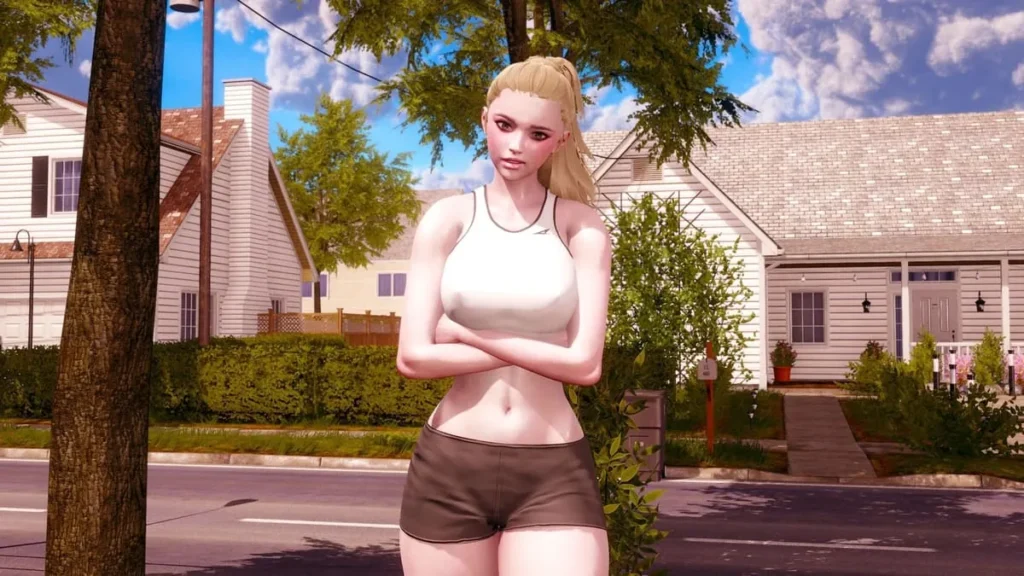
By Midsummer Moonlight review
Explore the narrative complexity, character development, and player-driven choices that define this acclaimed interactive experience
By Midsummer Moonlight stands out as a compelling interactive narrative experience that challenges players to navigate complex emotional landscapes and make meaningful choices. Developed by Mimir’s Lab, this game immerses you in the story of Aedan Miller, an 18-year-old facing a life-altering decision to leave for a dangerous conflict abroad. The three weeks leading up to his departure become a whirlwind of emotional turbulence as friends and loved ones desperately attempt to change his mind. What makes this experience truly exceptional is how it weaves player agency into every interaction, ensuring that your decisions—both obvious and subtle—reshape relationships, unlock hidden story paths, and determine which endings you’ll experience. Whether you’re drawn to narrative depth, character complexity, or the satisfaction of choices that genuinely matter, this game delivers an unforgettable journey.
Narrative Structure and Storytelling Excellence
Let’s be honest—we’ve all played story-driven games where our “big decisions” boil down to picking the obviously good option or the comically evil one. 😅 It often feels less like shaping a narrative and more like following a signposted moral checklist. What if a game asked you harder questions? Not “save the puppy or kick it,” but choices where every option feels right and wrong at the same time, where you’re constantly second-guessing your own motives. That’s the haunting, beautiful space where By Midsummer Moonlight makes its home.
This isn’t just another interactive narrative game; it’s a masterclass in emotional precision. Its power doesn’t come from world-ending stakes, but from the quiet, devastating tremor of a single life decision. 🍃 We’re going to peel back the layers of its story-driven game experience, exploring how its narrative foundation turns personal conflict into a profound, player-owned journey.
### The Central Conflict: A Decision That Changes Everything
The entire By Midsummer Moonlight storyline is set into motion by one deceptively simple premise: Aedan Miller is leaving. He has a scholarship to study abroad, a golden ticket out of his small town. On paper, it’s a smart move, a step toward a brighter future. But this game is deeply interested in what’s written between the lines—the unspoken fears, the quiet betrayals, and the cost of “moving on.”
Aedan believes he’s doing the right thing. He’s ambitious, perhaps a bit restless, and sees this as his only escape route from a life he fears is shrinking around him. Yet, the genius of the writing is how it simultaneously reveals he is also, unquestionably, running away. 🏃♂️💨 He’s running from the complexities of his lifelong friendships, which feel both suffocating and sacred. He’s running from the expectations of his family, who can’t understand why he’d want to leave. Most poignantly, he’s running from the deep, committed relationship with his girlfriend, Elara, a bond that threatens to become an anchor.
This duality—the pursuit of a dream laced with the poison of escape—is the catalyst that fractures Aedan’s world. The game unfolds over the three weeks before his departure, a brilliant storytelling mechanic that creates a pressure-cooker environment. Every interaction is tinged with finality. A casual drink with friends isn’t just a hangout; it’s a potential last memory. A conversation with Elara isn’t just a chat; it’s a minefield of unsaid goodbyes and unresolved hurt.
The game’s core question isn’t “Will he go?”—he’s going. The real question is, “What wreckage does he leave behind, and what parts of himself does he abandon in the process?” 😔
This timeframe forces every relationship to a boiling point, exploring themes of friendship, loyalty, and emotional conflict with a delicate, unflinching honesty. It presents the painful duality of human decision-making not as a flaw, but as a fundamental truth. Sometimes we grow by leaving, and sometimes we leave because we’re scared to grow where we’re planted.
### How Player Choices Shape the Story
If the central conflict is the lit fuse, then your choices as the player are the unpredictable path of the spark. By Midsummer Moonlight excels because your player choices impact the story in subtle, nuanced ways that feel profoundly human. Forget binary good/evil meters; here, you’re navigating a web of emotional truths, where being “honest” might be cruel, and being “kind” might be dishonest.
The game uses sophisticated branching dialogue trees, but they rarely feel like trees. They feel like currents in a river—each selection pulling you gently toward a different emotional shore. You might choose to confide in one friend about your doubts, which will forever alter how another friend perceives your distance later on. A decision to spend your last Tuesday helping your little brother with his homework, instead of going to a party, can fundamentally shift your family’s final memory of you.
Let me give you a specific, powerful example from my first playthrough. Early on, I encountered the lingering spirit of an old artist in the town’s forgotten park. Through branching dialogue trees, I had the option to help her find closure by retrieving a lost sketchbook. I did, thinking it was a sweet side activity. 🌳👻
Weeks later (in game time), in a heartbreaking scene with my grandmother who was struggling with her own sense of legacy, she mentioned that same artist—a forgotten friend from her youth. Because I had learned the artist’s true story, I had a unique dialogue option to share it. This small, earlier choice provided my grandmother with a profound sense of peace and connection I never could have predicted. It didn’t change the main plot of Aedan leaving, but it drastically changed the emotional texture of his family relationships. This is the ripple effect in action.
To illustrate how these nuanced choices weave different narrative threads, here’s a look at how key decisions can diverge:
| Player Choice Context | Choice A (Example Path) | Choice B (Example Path) | Long-Term Narrative Ripple |
|---|---|---|---|
| Elara asks if you’re scared about leaving. | Admit you’re terrified and unsure. | Put on a brave face and say you’re excited. | Choice A leads to more vulnerable, intimate later scenes where you grapple with fear together. Choice B creates emotional distance, making later conflicts more about frustration and miscommunication. |
| Your friend Liam gets into a fight at a bar. | De-escalate and pull him away. | Jump in to defend him physically. | Choice A strengthens Liam’s view of you as his moral compass, affecting his support later. Choice B bonds you through shared recklessness, but worries other friends about your changing character. |
| Finding a lost childhood memento. | Keep it for yourself as a memory. | Return it to the friend it belongs to. | Keeping it might give you a solitary moment of nostalgia later. Returning it can trigger a pivotal, healing conversation about shared history that mends a fraying friendship. |
This system means the player choices impact story outcomes not through loud, game-changing alerts, but through the quiet accumulation of emotional capital. You build trust, erode patience, offer comfort, or create silence. The game tracks it all, ensuring that by the final, powerful nights, you are facing the consequences of the person you chose to be during this fraught goodbye.
### Emotional Themes and Character Arcs
The emotional storytelling mechanics of By Midsummer Moonlight are inextricably linked to its masterful character-driven narrative. This isn’t a story about events happening to Aedan; it’s a story about Aedan’s relationships, and how the act of leaving acts as a prism, refracting his connection to everyone in his life into stark, revealing colors. 🎨
Each major character represents a different facet of the game’s themes:
* Elara embodies the theme of love versus ambition. Her arc is a painful negotiation between supporting her partner’s dream and mourning the future she envisioned. Your choices determine whether your parting is a heartbreaking but clean fracture, or a messy, resentful tear.
* Liam and Mara, Aedan’s childhood friends, explore loyalty and stagnation. Liam may see your departure as a betrayal of your shared roots, while Mara might see it as a brave inspiration. Navigating these differing perceptions forms a core emotional challenge.
* Aedan’s Family tackles expectation and legacy. His parents and grandmother have a lifetime of hopes tied to him, many of which are rooted in this place. Your interactions with them explore the guilt of leaving and the desire to define your own path.
The game’s structure amplifies these arcs brilliantly. The story culminates across three specific nights, each with time-sensitive events that create tangible cause-and-effect chains. You cannot be everywhere at once. Choosing to attend a family dinner means missing a crucial final band practice with your friends. Prioritizing a long walk with Elara might mean you’re not there for your sibling when they need you. These aren’t fail-states; they are the essence of the narrative. You are defining Aedan’s priorities through action, and the game reflects that back in stunningly crafted scenes of presence or absence.
This is why By Midsummer Moonlight demands and rewards multiple playthroughs. That first time, you play as you might in real life—guided by gut instinct and immediate emotion. Maybe you prioritize romance, or friendship, or family. But on your second run, making different choices reveals entirely new dimensions to characters you thought you knew. 🕯️ You’ll discover secret scenes, unlock different layers of dialogue in the branching dialogue trees, and see how a minor kindness in Week 1 blossoms into a major source of support in Week 3.
The final moments of the game don’t provide a traditional “ending.” There’s no point-based scorecard of your relationships. Instead, you are left with a profound, emotional montage of glances, words, and silences that you authored. The By Midsummer Moonlight storyline concludes by holding up a mirror to the emotional footprint you’ve left behind. It proves that the most powerful interactive narrative game is one that understands our deepest stories aren’t about saving the world, but about navigating the heartbreaking, beautiful mess of caring for the people in it. And in that, it delivers an unparalleled story-driven game experience that lingers long after the midsummer moon has set.
By Midsummer Moonlight represents a masterclass in interactive storytelling that respects player agency while delivering a deeply emotional narrative experience. The game’s strength lies in its refusal to present simple moral choices—instead, it offers nuanced decisions where every action carries weight and consequence. From the intricate relationship systems that reward careful attention to character details, to the time-pressure mechanics that force meaningful decision-making, every element works in harmony to create an experience that feels personal and earned. The supporting cast brings remarkable depth to the story, with each character offering unique perspectives and emotional arcs that respond authentically to your choices. Whether you’re drawn to the narrative complexity, the satisfaction of choices that genuinely matter, or the desire to explore multiple playthroughs and discover hidden story paths, By Midsummer Moonlight delivers an unforgettable journey into the complexities of human connection, loyalty, and personal growth. If you’re seeking a story-driven experience that challenges you emotionally and respects your intelligence as a player, this game deserves a place in your collection.