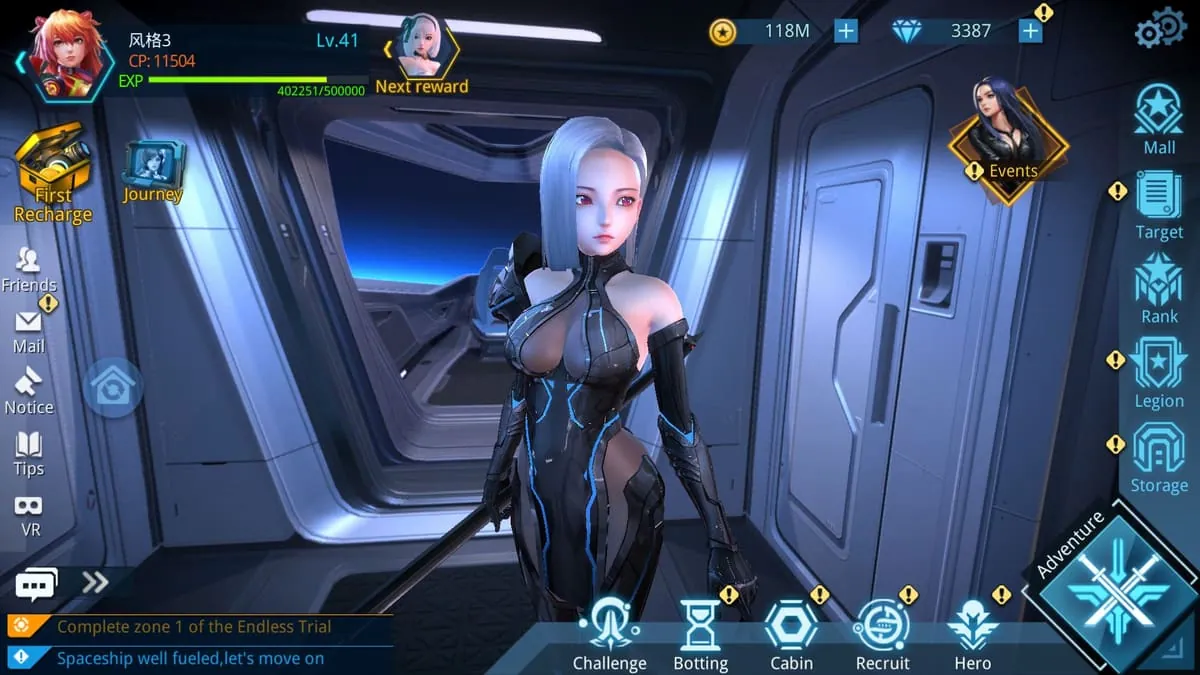
False Hero
Play False Hero
False Hero Screenshots


























False Hero review
Explore the corruption system, gameplay mechanics, and player choices in this engaging interactive experience
False Hero stands out as a compelling interactive experience that places player agency at the forefront of its design philosophy. This game features a sophisticated corruption-based system that fundamentally shapes how your story unfolds, offering meaningful choices that directly impact character relationships and narrative outcomes. Whether you’re a seasoned player of choice-driven games or new to the genre, False Hero delivers an engaging experience with multiple branching paths. In this guide, we’ll explore what makes False Hero unique, how its core mechanics work, and why it has garnered attention from players seeking deep, choice-driven gameplay.
Understanding False Hero’s Core Mechanics and Gameplay
Ever played a game where you made a tough call, braced for the consequences… and then nothing really changed? The world just reset, the characters forgot, and you were left wondering what the point was. I’ve been there, and it’s frustrating. That’s why my first hours with False Hero were such a revelation. This isn’t a game about good versus evil; it’s a game about cost versus compromise, where every single decision you make weaves itself permanently into the fabric of the world. At the heart of this brilliant, messy experience is its defining feature: the False Hero corruption system.
This corruption-based game system is the engine of everything. It’s not a simple morality slider. It’s a living, breathing gauge of your character’s soul, your methods, and the toll your journey takes. Think of it as the price of progress. Want to save that village from marauders by noon? You might have to make a shady deal with a local crime lord to get the resources you need. That choice doesn’t just disappear—it adds a subtle, permanent stain to your spirit, unlocking new, often ruthless, dialogue options and story paths down the line.
How the Corruption System Works
Let’s pull back the curtain. The False Hero corruption system is elegantly simple on the surface but profoundly deep in its execution. Your corruption level is visualized by a Corruption Meter in your character menu. It’s not just a number; it’s a spectrum that influences every interaction. This meter fills based on the choices you make, big and small.
Here’s the kicker: corruption isn’t inherently “bad.” It’s a tool. A low-corruption path might mean you’re a paragon of virtue, solving problems with diplomacy and patience. But that path can be slow, politically naive, and sometimes heartbreakingly ineffective against truly monstrous foes. A high-corruption path turns you into a pragmatic, ends-justify-the-means force of nature. You get things done, fast and efficiently, but you’ll leave a trail of broken trusts and moral compromises in your wake. The game brilliantly refuses to judge you for either approach; it simply shows you the consequences.
For example, in one early mission, I was tasked with uncovering a spy in a rebel camp. The “pure” route involved hours of careful dialogue, evidence gathering, and tense confrontations. On my second playthrough, my corruption was higher. A new, blunt option appeared: “Threaten the entire camp until someone talks.” It was ugly, it was fast, and it worked instantly—but the camp’s morale plummeted, and a key ally later refused to join me. That’s the False Hero corruption system in action: giving you power, but always presenting the bill.
This system directly feeds into a core piece of choice-driven gameplay mechanics: your available actions. Your corruption level acts as a key, unlocking or locking specific dialogue choices, quest solutions, and even entire character arcs. It’s not about being blocked from content; it’s about different content becoming available based on who you’ve chosen to become.
To give you a clear picture of how this spectrum plays out, here’s a breakdown:
| Corruption Tier | Player Mindset | Example Available Choice | Impact on False Hero Character Relationships |
|---|---|---|---|
| Pure (0-25%) ✨ | The Idealist: Seeks the “right” solution, values all life, prioritizes honor. | Spend days nursing a wounded enemy soldier back to health to gain information through gratitude. | Earns deep trust from compassionate allies. Pragmatic characters see you as weak or foolish. |
| Compromised (26-60%) ⚖️ | The Pragmatist: Weighs costs, accepts necessary evils, focuses on the greater good. | Bribe a corrupt official to bypass a bureaucratic blockade, knowing the money will fund other crimes. | Dynamic, tense relationships. Some respect your practicality, others distrust your methods. |
| Corrupt (61-90%) 😈 | The Opportunist: Goals above all else. Loyalty, mercy, and ethics are situational tools. | Frame a rival for a crime you committed to remove them from the political board permanently. | Attracts like-minded, ambitious allies. Moral companions become fearful, hostile, or despondent. |
| Tyrannical (91-100%) ⚡ | The Tyrant: Power is its own justification. Fear is a more reliable tool than love. | Publicly execute a disobedient lieutenant to cement absolute authority and deter future dissent. | Relationships are purely transactional or based on terror. Former friends may plot against you. |
Player Choice and Narrative Branching
If the corruption system is the engine, then player choice is the steering wheel. False Hero is built on a foundation of meaningful interactive narrative branching. This isn’t illusion of choice; it’s architecture of consequence. Early on, I made an off-hand comment to a merchant, dismissing his concerns. I didn’t think twice. Twenty hours later, that same merchant was the leader of a vital faction, and he remembered my arrogance, refusing to lend his support at a critical moment. My jaw dropped. The game had been keeping score.
The False Hero player choices impact is both immediate and long-term. A quest might have 3-4 major resolution options, each branching into its own unique follow-up chain. But smaller choices—how you treat a servant, which piece of lore you pursue, whether you show mercy—also accumulate, subtly shifting which major branches are even available to you later. It creates a beautifully personalized story. Your “False Hero” journey will be fundamentally different from mine, not just in ending slides, but in the very journey you take to get there.
This is where the False Hero gameplay guide aspect becomes about mindset, not just steps. My advice? Embrace your roleplay. Don’t try to game the system on your first run. If you decide your character is a weary veteran who’s seen too much to believe in pure heroics, lean into those corrupt, pragmatic choices. See where they lead. The replay value is staggering, because a different core philosophy at the start can lead you to discover entirely new locations, storylines, and finales.
Pro Tip: Manual save before any major decision. Not to scum for a “better” outcome, but to create a personal “what if?” library. It’s the best way to truly appreciate the scope of the interactive narrative branching.
The game masterfully supports multiple playstyles. Whether you want to be a cunning spy, a inspirational leader, a feared warlord, or a broken soul seeking redemption, the choice-driven gameplay mechanics provide the tools and the narrative space to make that fantasy feel authentic and impactful.
Character Relationships and Development
Now, let’s talk about the soul of the experience: False Hero character relationships. This isn’t a simple “gift-giving equals friendship” simulator. Every companion and major NPC has their own moral compass, trauma, and ambitions. Your corruption level and the specific choices you make directly determine how they see you.
Take Kaelen, your steadfast shield-bearer. On my pure run, he was my brother-in-arms, a beacon of loyalty. On my corrupt run, I watched his dialogue options slowly change from concerned (“Is this wise, commander?”) to fearful (“I… will follow your order.”) and finally to confrontational (“This is not the hero I swore to serve!”). I had to actively work to keep him loyal through intimidation or manipulation, fundamentally changing our dynamic. The False Hero corruption system ensures relationships are earned, tested, and can be broken.
Affinity is measured, but it’s fluid. A character might adore your ruthless efficiency in one mission but be horrified by your cruelty in the next. False Hero character relationships are a constant negotiation. You might have to choose between advancing your bond with the idealistic mage Aris or the pragmatic spymaster Vorlan, as actions that please one will alienate the other. These aren’t just side stories; these conflicts often gatekeep access to powerful abilities, unique quests, and crucial support in the game’s climactic moments.
The development system is seamlessly tied to this. You don’t just unlock skills with points; you often learn them from your companions as your bond deepens, or you discover dark, potent techniques on high-corruption paths that your purer companions might refuse to teach you. Your fighting style literally evolves based on who you choose to surround yourself with and what you’re willing to become.
Here’s a practical example of how it all ties together:
* Scenario: Bandits are extorting a farming village.
* Low-Corruption Choice: Pay the bandits off with your own gold to buy time, then train the villagers to defend themselves (lengthens the quest, costs resources, earns village love).
* High-Corruption Choice: Hunt down the bandit leader’s family and threaten them to force his surrender (quick, free, and brutally effective, but terrifies the villagers and horrifies compassionate companions).
* The Ripple Effect: The low-corruption path might later have those trained villagers rally to your banner as militia. The high-corruption path might see the bandit leader’s son swear vengeance, appearing as a powerful enemy lieutenant later. Your companion Aris might leave your party after the high-corruption choice, taking her healing magic with her.
This is the genius loop of False Hero: your choices drive corruption, which shapes relationships, which unlocks (or closes) narrative and gameplay options, leading to more choices. It’s a breathtakingly cohesive and reactive experience.
FAQ: Your False Hero Mechanics Questions, Answered
Q: Can I reverse my corruption level if I regret my choices?
A: Yes, but it’s deliberately difficult. A few, very specific story moments offer chances for profound redemption or damnation, significantly shifting your meter. Mostly, however, corruption is meant to be a lasting stain. Small, consistently virtuous acts can slowly wear it down, but a history of ruthless choices leaves a permanent mark. This reinforces the weight of the False Hero player choices impact.
Q: Do I miss out on content if I stick to one corruption path?
A: You don’t miss it—you experience different content. A pure playthrough and a corrupt playthrough can feel like two distinct games, with unique quests, dialogues, and endings. This is the core of the game’s interactive narrative branching. The “complete” experience is across multiple playthroughs.
Q: How does the game handle romance with this system?
A: Brilliantly. Romance is deeply tied to False Hero character relationships and your corruption. Some companions will only romance a virtuous hero, others are drawn to power and pragmatism. A romance started on a pure path can dramatically sour or transform if you later spiral into corruption.
Q: Is a “balanced” corruption playthrough viable?
A: Absolutely! Riding the middle of the spectrum is a challenging but incredibly rewarding way to play. You’ll constantly be balancing the expectations of different factions and companions, accessing a wide mix of options. It’s the ultimate test of the choice-driven gameplay mechanics, as you navigate a razor’s edge.
Q: What’s the best piece of advice for a new player?
A: From this False Hero gameplay guide: Let go of the idea of a “perfect” run. Commit to your decisions, live with the consequences, and let your story be messy and unique. That’s where the magic is. The False Hero corruption system is there not to punish you, but to make your journey authentically, unforgettably your own.
False Hero delivers a rich and engaging experience that empowers players through meaningful choice and consequence. The corruption-based system creates a dynamic framework where your decisions genuinely matter, shaping relationships and narrative outcomes in ways that encourage multiple playthroughs. The game’s strength lies in its commitment to player agency—every choice carries weight, and the branching narrative ensures that no two playthroughs feel identical. Whether you’re drawn to complex character interactions, morally ambiguous decision-making, or simply exploring how different choices reshape your story, False Hero offers substantial depth. For players seeking an interactive experience that respects their autonomy and rewards experimentation, False Hero stands as a compelling choice that demonstrates how corruption mechanics can create meaningful gameplay. Start your journey today and discover how your choices define your path through this intricate narrative experience.