Hooked!
Play Hooked!
Hooked! Screenshots
Hooked! review
Exploring the narrative design and artistic excellence of this acclaimed adult visual novel
Hooked! stands out as a remarkable entry in the visual novel genre, captivating players with its exceptional artistic presentation and compelling narrative structure. This adult-oriented visual novel has garnered significant attention from the gaming community for its distinctive approach to storytelling and character development. Whether you’re a seasoned visual novel enthusiast or new to the genre, understanding what makes Hooked! resonate with its audience reveals important insights about modern interactive fiction design. This guide explores the key elements that define the experience, from its stunning visual presentation to its intricate narrative choices that shape your journey through the game.
The Artistic Vision and Visual Design of Hooked!
Let’s be honest—when you first hear “adult visual novel,” a certain aesthetic probably springs to mind. Maybe it’s generic, forgettable character designs, or static, low-effort backgrounds. I’ve clicked on more than a few titles where the artwork felt like an afterthought, a mere vehicle for something else, and it always breaks the immersion instantly. 🎭
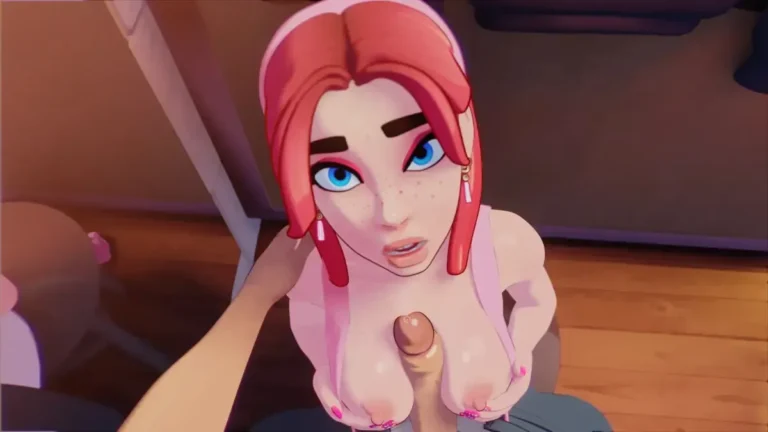
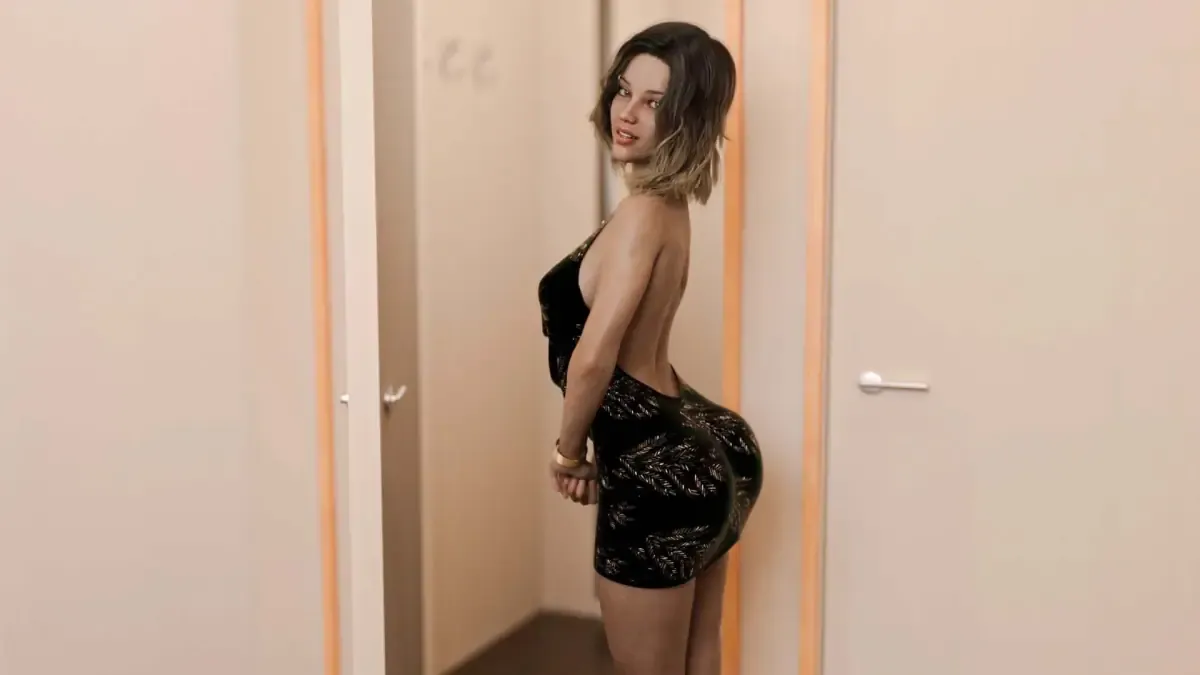
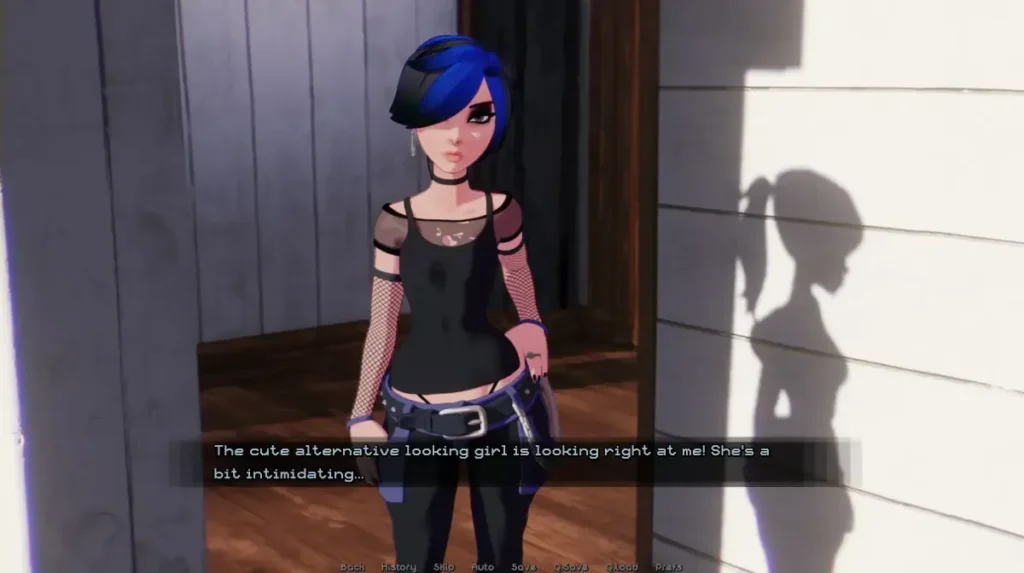
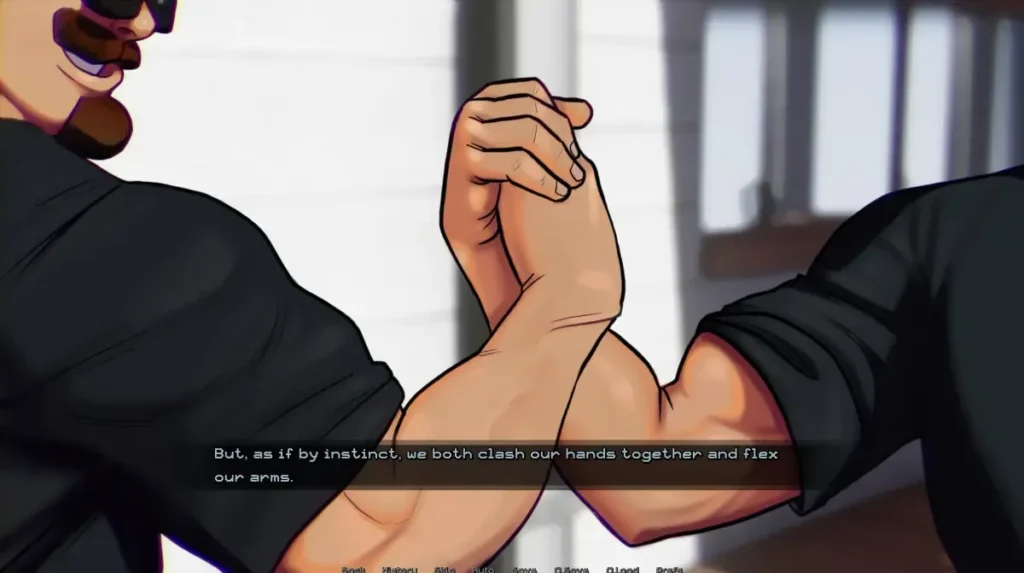
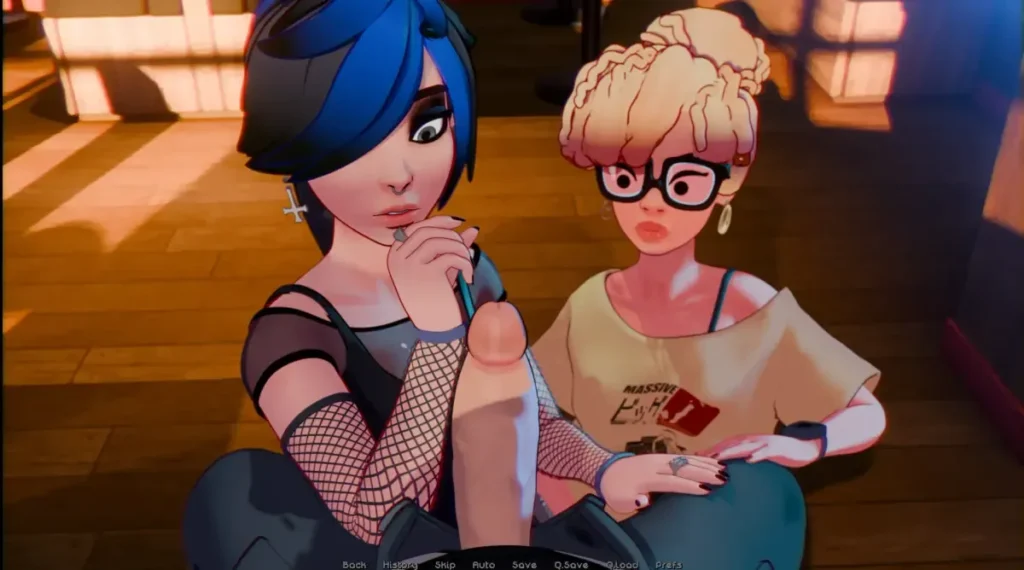
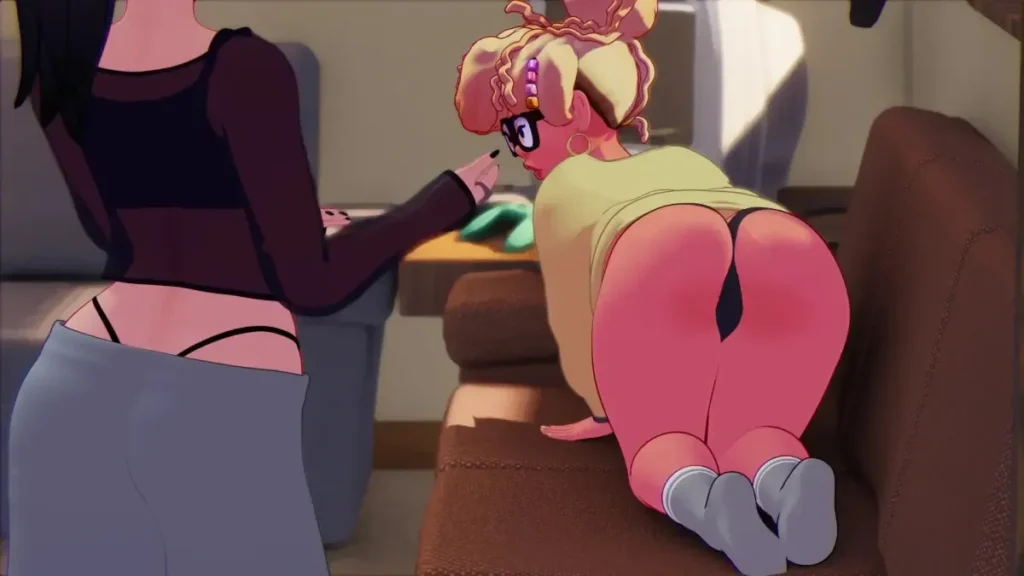
But then, you boot up Hooked! visual novel art style and it’s like walking into a gallery. Every screen is a painting. Every character feels alive. You’re not just playing a game; you’re being pulled into a world that is meticulously, beautifully crafted. This isn’t just about being “pretty for an adult game.” This is about artistic excellence raising the bar for the entire genre. The game’s visual identity is its strongest hook (pun intended), transforming a compelling story into an unforgettable experience.
So, what makes it so special? Let’s pull back the curtain and explore the craft behind the canvas. 🖌️
What Sets Hooked! Apart Visually in the Visual Novel Space?
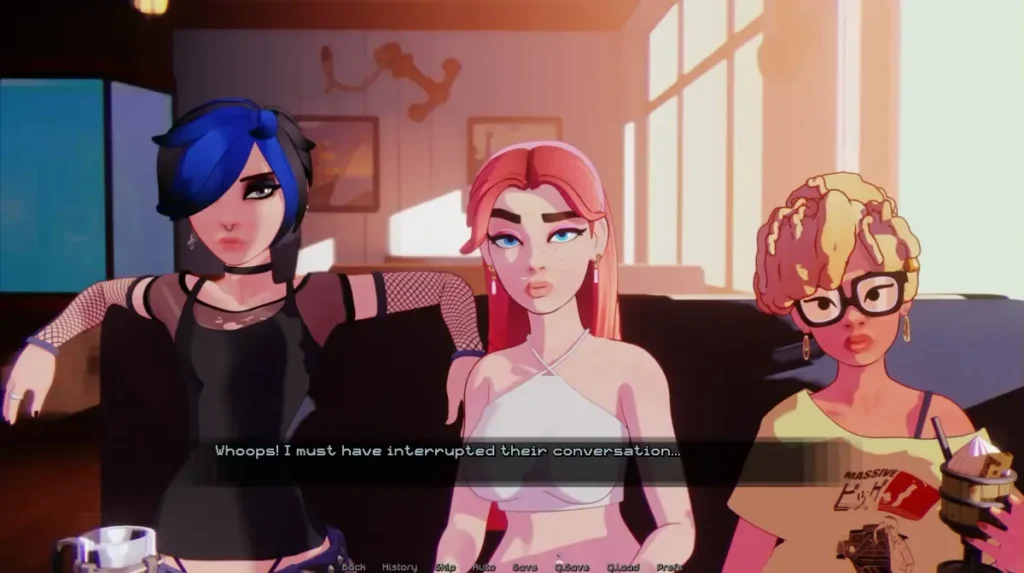
The immediate differentiator is a commitment to a cohesive, cinematic art direction. Many visual novels, especially within the Ren’py engine, can feel like a collage of assets from different artists. Hooked! presents a unified vision. The color palettes are deliberate—warm, intimate ambers for cozy, personal moments; cold, desaturated blues for tension or isolation; vibrant, chaotic hues for scenes of excitement or chaos.
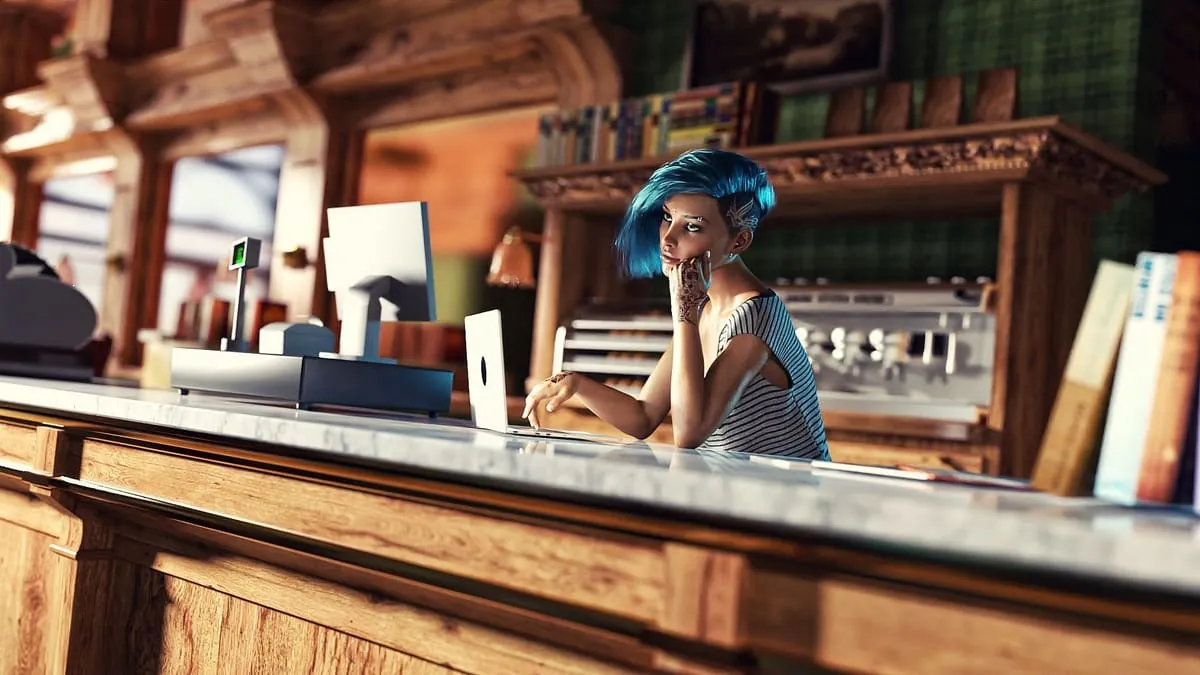
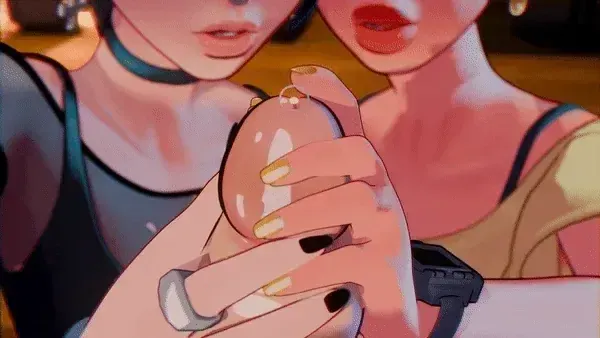
This goes beyond mere backdrops. The Hooked! game artwork quality is evident in its texture and depth. Clothing has weight and fabric detail. Environments are littered with “lived-in” touches—a stack of books on a nightstand, steam rising from a coffee mug, the subtle grain of a wooden bar top. This attention to detail builds a world that feels tangible and authentic.
Think of it this way: great art direction doesn’t shout for attention; it whispers authenticity, making you believe in the world without realizing why.
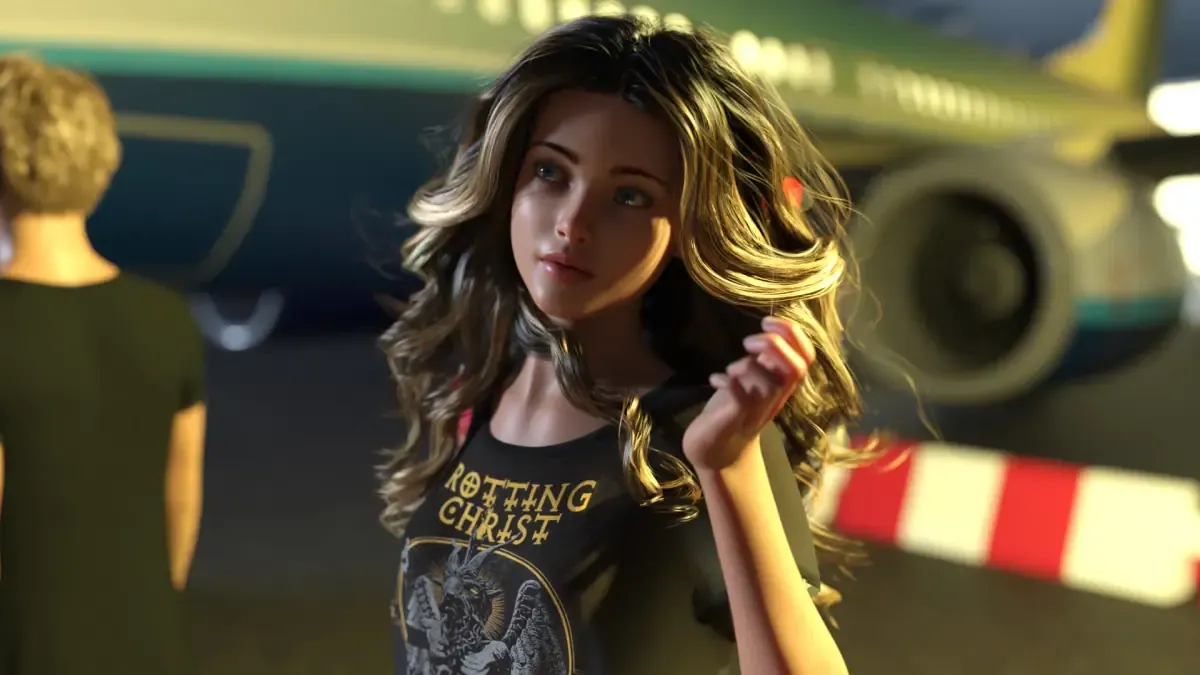
Furthermore, the game masterfully uses cinematic lighting and effects. God rays filter through windows, rain streaks dynamically down panes in night scenes, and depth-of-field blurs pull your focus to a character’s expressive eyes during a crucial dialogue choice. These aren’t just technical tricks; they are narrative tools. A character standing in shadow instantly communicates mood, while a sudden shift to a brighter, softer light can signal a moment of connection or relief.
This holistic approach to the visual novel character design and environments creates a signature look. It tells you that you’re in the hands of creators who care as much about the show as they do about the tell. It’s a level of polish that directly challenges the sometimes-forgiving standards of adult visual novel graphics, proving that mature storytelling deserves, and can achieve, top-tier artistic presentation. 👁️🗨️✨
Character Models and Animation Excellence
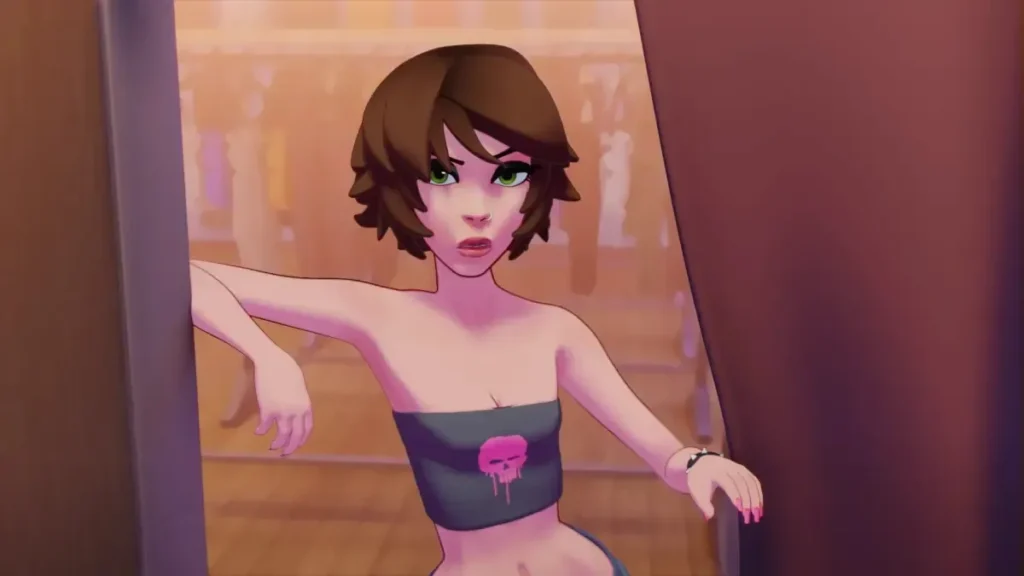
This is where Hooked! truly shines and leaves its competitors in the dust. We’re talking about Ren’py game character models that feel less like digital dolls and more like complex, breathing people. The standard in many games is a handful of static poses with swapped facial expressions. Hooked! employs a much more sophisticated system.
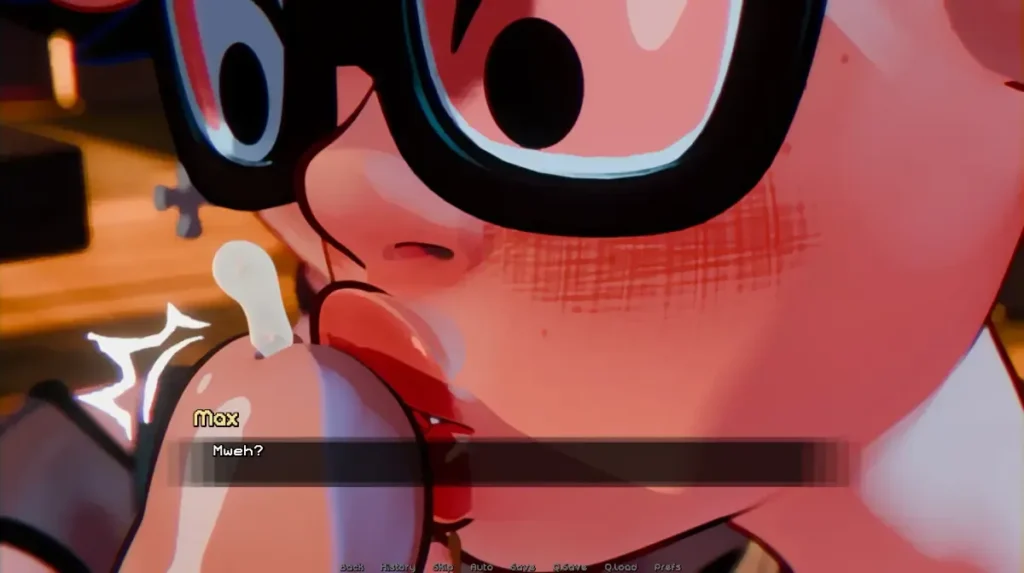
The foundation is in the expressive character design. Each main character has a distinct silhouette, fashion sense, and body language that tells you about their personality before they even speak. But the magic is in the animation—or more accurately, the exquisite use of subtle motion. We’re not talking about full-blown anime action sequences, but rather the delicate art of the “breathing idle,” a glance away, a nervous fidget with a sleeve, or a shift in weight.
Let me give you a specific example that stuck with me. There’s a tense, quiet scene where two characters are having a difficult conversation in a dimly lit apartment. One character is trying to maintain composure. As the dialogue becomes more charged, the artwork shows a slight tremble in their hand as they set down a glass—a detail so small you might miss it, but one that screams volumes about their internal struggle. That’s visual storytelling in games at its finest. The art is doing narrative heavy lifting that words alone cannot.
To break down the technical artistry, consider how different elements work in harmony:
| Artistic Element | Standard Visual Novel Approach | Hooked!’s Advanced Approach |
|---|---|---|
| Facial Expressions | A set of 5-10 preset faces (happy, sad, angry, etc.) | Layered, nuanced expressions combining micro-movements in eyes, brows, and mouth for unique, context-specific emotion. |
| Posing & Body Language | Static, repetitive poses for different scene types. | Dynamic, character-specific posture and gestures that evolve with the narrative and relationship status. |
| Eye Movement & Focus | Eyes are static or follow a simple pattern. | Eyes dart, linger, avoid contact, or soften with incredible intentionality, directing player attention and revealing thought processes. |
| Environmental Interaction | Characters are often “pasted” onto backgrounds. | Characters physically interact with their environment—leaning on a wall, tracing a finger along a shelf, creating a sense of real space. |
This level of detail in the visual novel character design and its execution is what transforms pixels into personalities. You don’t just remember a character’s name or role; you remember the way they sighed, the specific look they gave you in a moment of vulnerability, the confident set of their shoulders when they took charge. This is how does art enhance visual novels—by building emotional bridges between the player and the pixelated person on screen. The Hooked! game artwork quality in character presentation is, without question, its crown jewel. 👑💖
The Role of Art Direction in Player Immersion
Ultimately, all this technical and artistic prowess serves one master: total narrative immersion. The art direction in Hooked! is not a separate layer from the story; it is the story’s visual voice. Every artistic choice is made to deepen your investment, to make you feel the narrative in your gut, not just read it on a screen.
First, it creates emotional resonance. A well-composed shot can make your heart ache or race. Remember the color theory mentioned earlier? When a character reveals a painful memory, the scene might drain of color, leaving a stark, high-contrast image that mirrors their inner emptiness. Conversely, a first kiss might be framed with a soft focus and warm glow, making the moment feel private and precious. This direct manipulation of visual mood is a powerful shortcut to the player’s emotions.
Second, it fosters player investment and agency. When characters are this visually compelling, your choices feel heavier. Hurting someone with beautifully rendered tears in their eyes feels different. Making a character you’ve watched express subtle joy through countless animations smile again becomes a personal goal. The high-fidelity adult visual novel graphics raise the stakes of the interactive drama. You care more because you see more—more nuance, more history, more humanity.
Finally, it ensures memorable identity. In a sea of visual novels, Hooked! is instantly recognizable. Its specific blend of painterly backgrounds, hyper-expressive but realistically proportioned characters, and cinematic lighting creates a unique fingerprint. This isn’t just “good art”; it’s a specific, memorable artistic brand that players associate with quality and depth. When people discuss the pinnacle of visual storytelling in games within the Ren’py sphere, the Hooked! visual novel art style is now a benchmark.
The community’s recognition is a testament to this. Players don’t just praise the “hot characters”; they analyze the color grading in specific scenes, share screenshots of particularly stunning compositions as digital art, and discuss how a character’s evolving wardrobe reflects their personal growth. The art has become a language of its own, enriching discussions and deepening the fandom. 🎨🤝
In the end, Hooked! understands a fundamental truth: in a visual novel, the visual is half the novel. By treating its art direction with the same seriousness as its script, it achieves something remarkable. It proves that the power of a story is magnified exponentially by the beauty and intelligence of its presentation. It shows us, quite vividly, how does art enhance visual novels—by turning players into residents of its world, and pixels into lasting impressions on the heart. That’s the real magic of the craft on display here.
Hooked! represents a significant achievement in visual novel design, combining exceptional artistic presentation with compelling narrative structure and engaging gameplay mechanics. The game’s standout visual style, thoughtful character development, and meaningful player choices create an immersive experience that resonates with both dedicated visual novel fans and newcomers to the genre. From its stunning character models to its well-crafted dialogue and branching storylines, Hooked! demonstrates how adult-oriented visual novels can deliver sophisticated storytelling alongside artistic excellence. As the game continues to expand with additional chapters, it’s clear that Hooked! has established itself as a noteworthy entry in the visual novel landscape. Whether you’re drawn to the artistry, the narrative depth, or the interactive storytelling elements, Hooked! offers a compelling experience worth exploring. For those interested in visual novels that prioritize both aesthetic quality and narrative substance, this game merits your attention.