Long Story Short
Play Long Story Short
Long Story Short Screenshots

Long Story Short review
Everything you need to know about the indie visual novel adventure
Long Story Short is an indie adventure visual novel that has gained significant attention since its Steam release in October 2024. Developed by TTrickGames, this choice-driven narrative experience offers players multiple story paths and branching storylines that adapt based on their decisions. With a 93.8% positive review rating and thousands of units sold, the game has established itself as a notable title in the visual novel genre. Whether you’re new to the game or looking to maximize your playthrough experience, this comprehensive guide covers everything from gameplay mechanics to story paths and community insights.
Understanding Long Story Short: Game Overview & Features
So, you’ve heard the buzz about this new indie game where your choices actually matter, and you’re wondering what all the fuss is about? 🤔 You’re in the right place. Let’s pull back the curtain on Long Story Short, the choice-based narrative game that’s been quietly captivating players on Steam since its release. If you’ve ever felt frustrated by games that offer the “illusion of choice,” prepare for a refreshing change. This isn’t just another visual novel; it’s a personalized adventure where you hold the pen.
Developed by the passionate team at TTrickGames developer and launched on October 24, 2024, Long Story Short represents a modern take on the interactive story genre. It proves that you don’t need a blockbuster budget to deliver a profound, player-driven experience. At its heart, this visual novel adventure asks a simple but powerful question: in the tangled web of life, relationships, and chance encounters, how will you write your story? Your answers—big and small—will shape everything that follows.
### What is Long Story Short and its core gameplay mechanics?
Let’s break it down to the basics. What exactly are you getting into when you boot up Long Story Short game? Imagine you’re not just reading a book or watching a cutscene—you’re living inside one, making decisions at key moments that send ripples through the entire narrative. That’s the core magic here. 🪄
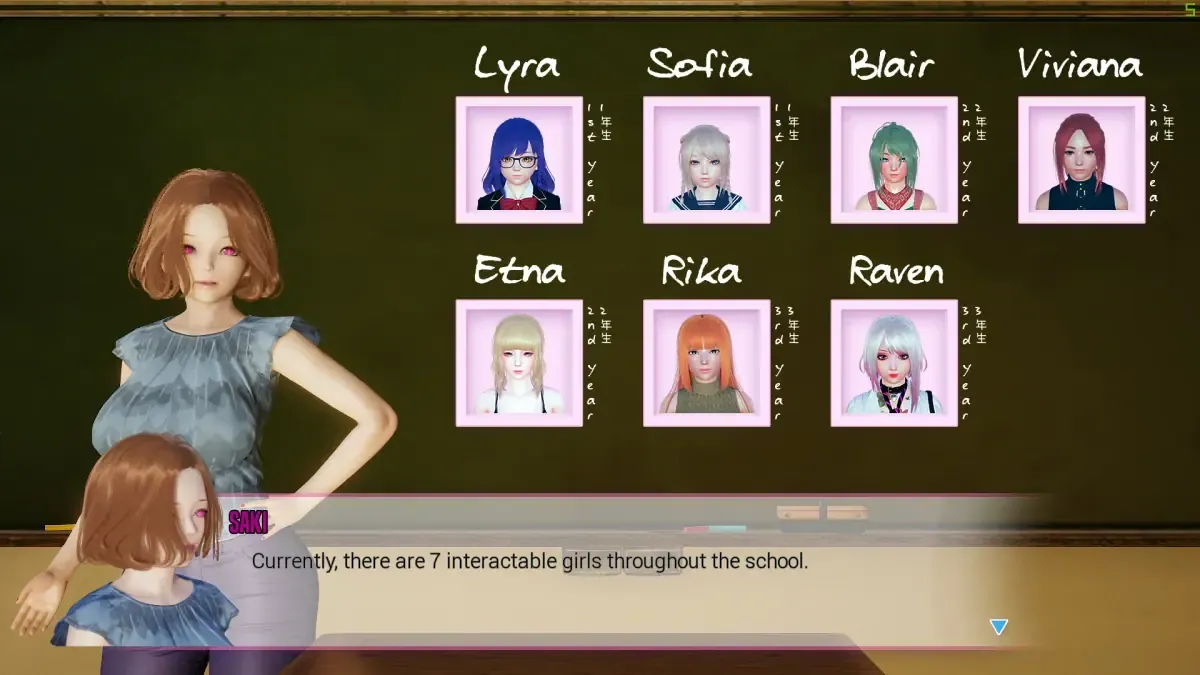
This indie visual novel Steam title is built on a foundation of interactive storytelling. You play through a series of beautifully rendered 3D scenes, engaging with characters and navigating scenarios that feel surprisingly relatable. The core gameplay loop is elegantly simple yet deeply engaging:
1. Experience the Story: You’re presented with a scene—a conversation, a dilemma, a moment of introspection.
2. Make a Choice: Dialogue options and action prompts appear. These aren’t just flavor text; they are meaningful forks in the road.
3. Face the Consequences: The game world reacts immediately. Characters remember your attitude, relationships shift, and the plot direction adjusts.
4. Continue the Journey: You move forward on your now-unique path, heading toward one of many potential endings.
I remember my first playthrough vividly. Early on, I encountered a character who was clearly hiding something. I had a choice: to politely change the subject or to press them for details. Thinking it was just role-playing, I chose to be assertive. Two hours later, that same character confronted me in a completely different context, their dialogue altered because of my earlier “nosiness.” That’s when it clicked—this game was tracking my behavior, not just my plot decisions. It’s this attention to detail that transforms Long Story Short from a passive story into an active visual novel adventure.
Here’s a quick snapshot of the game’s vital stats:
| Specification | Details |
|---|---|
| Release Date | October 24, 2024 |
| Developer | TTrickGames |
| Primary Platform | Steam (PC) |
| Genre | Casual Adventure, Visual Novel |
| Current Price Point | Indie Premium (Check Steam for current price) |
| Core Gameplay Hook | Branching Narrative, Choice-Driven Consequences |
The game is categorized as a “Casual Adventure,” which is perfect because it’s easy to pick up but hard to put down. You can enjoy it in short bursts or deep dives, and the 3D visuals provide a welcoming, immersive environment that sets it apart from more traditional 2D visual novels. TTrickGames has focused on creating a world that feels tangible, which makes your choices within it carry more weight. As of its current version, the game is a complete and satisfying experience, though the developer’s commitment to updates suggests an evolving journey for its players. 🚀
### Key features that make this visual novel stand out
In a sea of interactive stories, what makes Long Story Short worth your time and attention? It’s the combination of several smart, player-friendly features that work in harmony. This isn’t a game that relies on a single gimmick; it’s a thoughtfully crafted package designed for maximum immersion and replayability. ✨
First and foremost is its commercial and community success. Let’s talk numbers for a second, because they tell a compelling story. Since its launch, Long Story Short has sold over 7,230 units, generating a gross revenue of approximately $75,273. For an indie title, these figures are a strong vote of confidence from players. They signal a game that has delivered on its promises, creating a dedicated player base that resonates with its narrative depth. This isn’t just a hidden gem; it’s a gem that people are actively finding, polishing, and sharing.
But the real magic lies under the hood. The most groundbreaking feature is its sophisticated choice-tracking system. Think of it as the game’s memory. It doesn’t just remember the big, obvious decisions you make (like “Save Character A or Character B?”). It logs your subtle tendencies: Are you generally kind or sarcastic? Do you act impulsively or cautiously? Are you a truth-teller or a secret-keeper?
My Insight: This system means there are no “throwaway” dialogue options. A seemingly small, empathetic response in Chapter 1 might unlock a unique scene of vulnerability from a character in Chapter 3 that players who chose a different tone will never see. It makes every interaction feel purposeful.
This tracking directly feeds into the game’s content unlocking mechanics. Long Story Short is packed with unique scenes, special dialogues, and alternative story beats that are gated behind specific choice patterns. You can’t possibly see everything in one run—and that’s the point! The game rewards you for exploring different versions of yourself. Want to see what happens if you play as a cynical realist instead of a hopeful romantic? The game has entire sequences waiting for that specific version of you. This design brilliantly incentivizes multiple playthroughs, making each one a distinct visual novel adventure.
Finally, we have to praise the ongoing development and support from TTrickGames. The game you play today is polished and complete, but the developers are actively engaged with the community, taking feedback and releasing updates. This commitment ensures the experience only gets better, potentially adding even more layers to its already rich branching storyline mechanics. For players, it’s reassuring to know you’re investing in a living project, not a static product.
### Story paths and branching narrative system explained
Alright, let’s dive into the engine room—the brilliant branching narrative system that powers the entire Long Story Short experience. This is where the game transcends being a simple story and becomes a playground of possibilities. If you’ve ever seen a “butterfly effect” diagram, imagine that, but for an entire cast of characters and their intertwined destinies. 🦋
The system is built on the idea of multiple story paths. We’re not just talking about a “good ending,” a “bad ending,” and a secret ending. We’re talking about a web of narrative threads where your story paths and choices determine which scenes you witness, which characters you bond with, and ultimately, which conclusions you reach. A path isn’t just a final destination; it’s the unique journey you take to get there.
Here’s a practical breakdown of how it works:
* Major Branch Points: These are the big, dramatic decisions that clearly split the plot. They often involve moral dilemmas or pivotal actions.
* Minor Choice Accumulation: This is the stealthier, more brilliant part. Your consistent behavior (e.g., always choosing humorous options) can quietly steer you onto a hidden path without a single obvious “branch point.”
* Path Convergence and Divergence: Paths aren’t always separate forever. Two wildly different choices might lead you back to a common story beat, but the context and character attitudes will be completely different based on how you arrived. Then, they might split off again.
Let me give you a case study from my own playthroughs:
In my first run, I played “as myself”—helpful, diplomatic, trying to fix everyone’s problems. This led me down a path where I became the group’s mediator, uncovering a central mystery about community trust.
For my second run, I decided to be a self-interested loner, refusing to get involved in others’ drama. This seemingly shut down entire chapters from my first playthrough! Instead, I gained access to a completely different subplot about corporate espionage that I never knew existed, because my previous “helpful” nature had locked me out of it. The same core locations and characters were used, but the story being told was fundamentally different. That’s the power of its branching storyline mechanics.
This structure is what creates the game’s incredible replayability. You’re not replaying to slightly tweak an ending; you’re replaying to experience a largely new story. The Long Story Short game is designed to be played at least 3-4 times to even glimpse the majority of its content. Each playthrough feels fresh because:
* New scenes and dialogues appear.
* Characters reveal different facets of their personalities.
* The thematic focus of the story can shift (e.g., from a story about romance to one about ambition or betrayal).
For the achievement hunters and completionists, this is a dream. For the casual player who loves a good story, it means tremendous value and a deeply personal experience. Your first ending in this choice-based narrative game isn’t the “true” ending—it’s your ending. And the beauty is, you can always go back and write another one. The pen, as they say, is forever in your hands. 🖊️
Long Story Short represents a compelling entry in the indie visual novel space, offering players a rich experience built on meaningful choices and branching narratives. The game’s success—evidenced by its strong player reviews and commercial performance—demonstrates the appeal of well-crafted choice-driven storytelling. Whether you’re drawn to the game’s narrative depth, the satisfaction of discovering multiple story paths, or the replayability factor, understanding the game’s mechanics and available choices enhances your overall experience. As the developer continues to expand content and refine the experience, now is an excellent time to dive into this engaging adventure and explore the various paths the game has to offer.