Mist
Play Mist
Mist Screenshots











Mist review
A comprehensive, player-focused guide to Mist
Mist is a narrative-driven indie title that blends interactive storytelling with player choice to create an immersive experience. In this article I’ll walk you through what Mist offers, how its mechanics shape player agency, and practical tips I learned from playing and engaging with the community. Whether you’re evaluating the game before trying it or looking for ways to get more from your playthrough, this guide covers the essentials and the nuances that make Mist unique.
What Mist Is and How It Works
Alright, let’s pull back the curtain. If you’re here, you’ve probably heard the buzz about Mist, the narrative experience that’s got everyone talking. Maybe a friend mentioned how their playthrough was completely different, or you saw a trailer full of haunting landscapes and tense conversations. I was in your shoes not too long ago, booting it up on a rainy evening, expecting a neat story. What I got was an unforgettable journey where my own conscience was the main puzzle. This guide is your lantern in the fog. We’re going to break down exactly what Mist is, how its brilliant systems work, and how you can shape its world.
Overview: core concept and themes
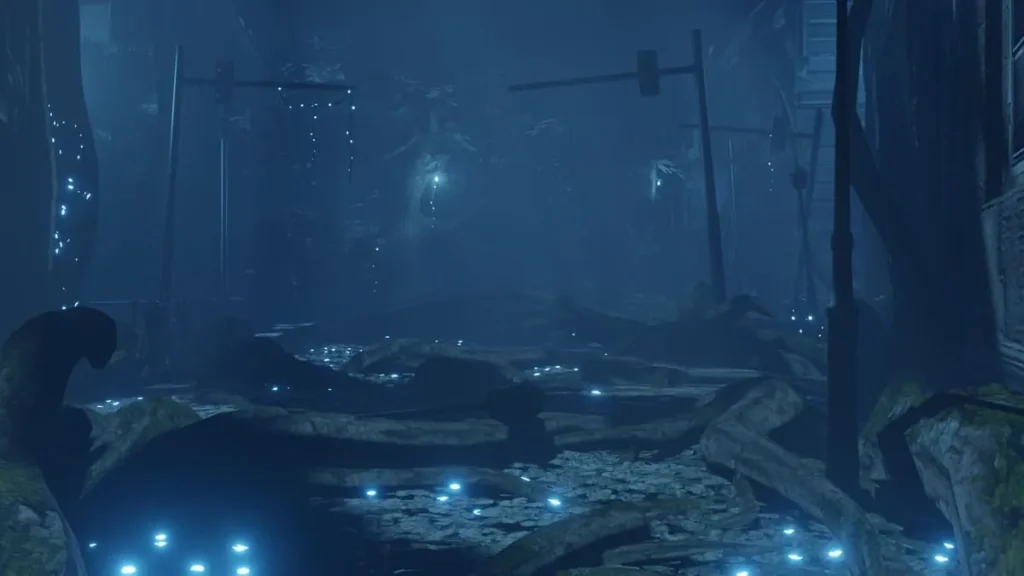
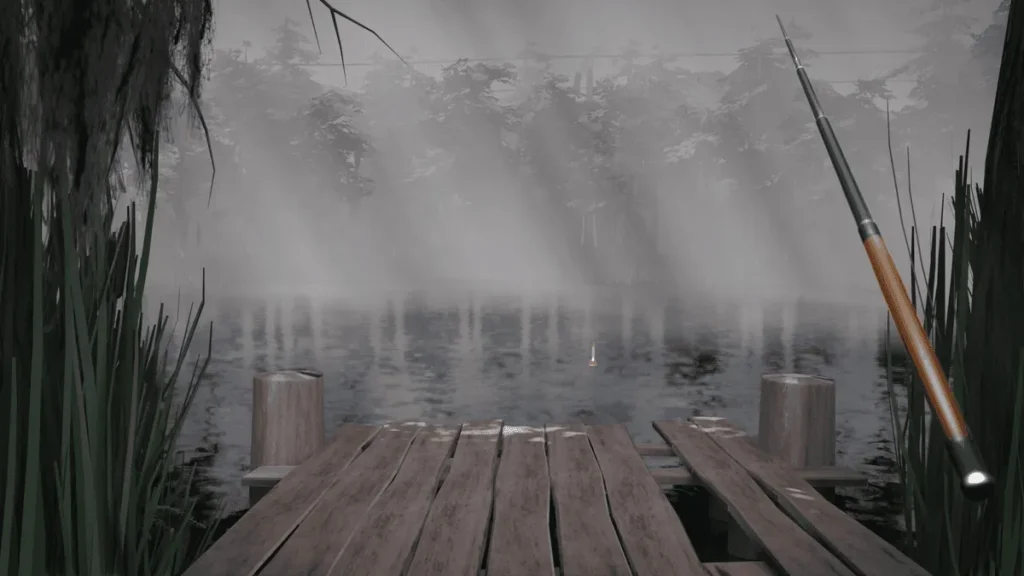
So, what is Mist at its heart? 🎭 Imagine a world where the environment is a character—a dense, ever-shifting fog that blankets forgotten cities and lonely roads. This isn’t just for atmosphere; the Mist is the story. The core concept is a deeply personal, choice-driven adventure where you navigate both a physical and emotional landscape. You play as a traveler, stripped of memory and context, learning about the world and yourself through every interaction and discovery.
The Mist game overview is one of intimate exploration and profound consequence. You won’t find grand battles or complex skill trees here. Instead, the gameplay loop is built on observation, conversation, and introspection. The tone is melancholic yet hopeful, steeped in mystery and a quiet sense of awe. It’s about the weight of silence and the power of a single, carefully chosen word.
The Mist themes and tone revolve around memory, connection, and the stories we tell ourselves to survive. Is the past a chain or a compass? Can we trust our own perceptions when the world itself is obscured? The game asks these questions not through lengthy monologues, but through the environment and the fragile relationships you build. My first hour was spent in a derelict train station, listening to the echoes of old announcements and deciding whether to trust the first wary survivor I met. That immediate, palpable tension—where dialogue feels as risky as exploring a dark alley—is what defines the experience.
Gameplay mechanics and player choices
Let’s get into the nuts and bolts. Understanding the Mist gameplay mechanics is key to enjoying the journey. At its simplest, you explore beautifully rendered, isolated environments in first-person. But the real magic is in the interaction menu. When you engage with a character or object, you’re presented with a radial menu of choices—what to say, what to ask, what to do.
This is where Mist narrative choices become your primary tool. Every option is meaningful. You might choose to comfort a frightened child, demand answers from a suspicious stranger, or simply remain silent and observe. The game doesn’t use morality meters (good/evil) or relationship scores. Instead, it tracks the impression you leave and the information you choose to value.
Here are the core systems you’ll engage with:
- The Dialogue Web: Conversations aren’t linear. Your choices open up or close off entire branches of dialogue, permanently shaping what you can learn and how characters perceive you.
- Environmental Storytelling: Much of the plot and world-building is hidden in notes, environmental details, and audio logs. Examining these can provide crucial context for your decisions.
- The Memory System: Key moments you discover become “Memories” in your journal. You can revisit and even reinterpret these, which can subtly influence later dialogue options.
- Pace and Attention: There are no timers, but how quickly you push through conversations or whether you notice subtle cues can affect outcomes.
To give you a clearer picture of how relationships evolve, here’s a breakdown:
| Your Action | Short-Term Effect | Potential Long-Term Narrative Shift |
|---|---|---|
| Share a scarce resource (like food). | Character becomes immediately more helpful and open. | They may later return the favor, revealing a critical secret or aiding you in a moment of crisis. |
| Press aggressively for information. | You might get the facts you want faster. | The character shuts down, lies to you later, or even abandons you at a pivotal story junction. |
| Discover and reference a personal detail about them from the environment. | They express surprise and a moment of connection. | It builds unspoken trust, unlocking unique, quieter endings for their story arc. |
My personal “oh wow” moment came with a character named Aris, a mechanic hiding in a garage. I found a faded photo of a family hidden in his tool cabinet. When I later confronted him about his past, I had a choice: use the photo to force the truth, or ask gently about the “people he protects.” I chose the latter. That single Mist narrative choice didn’t just change his story; it opened up a whole optional area where he took me to a secret hideout, a path completely missed if I’d been aggressive. I learned that in Mist, empathy is often the most powerful mechanic of all.
Story structure and progression
Unlike a traditional linear plot, Mist employs a branching, modular story structure. Think of it as a journey through a series of poignant short stories, all connected by the central mystery of the fog and your role in it. Your path is defined by the order you meet people and the places you gain access to, all dictated by your prior decisions.
The story structure and progression is fluid. There is no “main quest” checklist. Instead, you have emerging goals based on what you learn. Helping one group might inadvertently make you an enemy of another, blocking off an entire district of the map. The game brilliantly uses gating not with keys or levels, but with social capital and knowledge. You progress by earning trust or uncovering secrets that make new paths understandable.
Your first major decision—often which of two distressed survivors to help first—will set the tone for your entire playthrough. This creates an incredible sense of ownership over the narrative. The long-term arc is about uncovering the source of the Mist, but more importantly, it’s about deciding what kind of world, if any, is worth saving from it. Do you seek to disperse the fog at any cost, or have you found a strange, new peace within it? The final hour of my playthrough felt uniquely mine, a direct result of dozens of small, honest choices I’d made along the way.
A Quick Note on Accessibility & Platforms: 🎮 The developers have done a fantastic job making Mist accessible. It features full subtitle customization, color-blind modes, and a “thoughts narration” toggle that can help clarify subtext. The control scheme is simple (perfect for mouse & keyboard or controller), and it includes options to reduce environmental strobe effects. You can find Mist on PC (via Steam and other storefronts), as well as major consoles.
How to play Mist: Your first steps into the fog
Feeling ready but want a nudge in the right direction? Here is the essence of how to play Mist successfully. These Mist beginner tips are designed to help you avoid common frustrations and immerse yourself fully.
- Slow Down. Breathe. Look. This isn’t a game to rush. The most important details are often in the quiet moments—a half-finished letter, the way a character won’t meet your gaze, a recurring symbol scratched into walls. Your patience is rewarded with deeper understanding.
- Your Journal is Your Best Friend. The Memory system isn’t just for lore. Re-reading entries can sometimes reveal new dialogue options marked with a “…” later on. The game is prompting you to follow a train of thought.
- Embrace the Unknown. You will not see everything in one playthrough. Making a “mistake” or missing a area isn’t failing—it’s creating your story. The beauty of Mist is in its curated, personal narrative, not a 100% completion log.
- Listen More Than You Speak. Often, the most powerful choice is to stay quiet and let the other person fill the silence. You’ll be surprised what people confess when you simply give them the space to.
- Trust Your Instincts, Then Live With Them. Don’t try to game the system or guess a “right” answer. Go with what feels genuine to you in the moment. The emotional impact comes from seeing the real, sometimes messy, consequences of that authentic choice.
The true goal of how to play Mist is to set aside the mindset of a player trying to “win,” and instead step into the shoes of a person trying to survive, connect, and understand. Let the fog in. Make the choices that feel right to you. Your unique path through the silence is the whole point.
Mist blends choice-led storytelling with replayable paths that reward exploration and different playstyles. This guide summarized what Mist is, how its systems work, ways to get more from multiple playthroughs, practical tips, community and modding resources, and purchase/safety advice based on firsthand experience. If you’re curious, try a first playthrough focused on exploration and save often — then experiment with different choices to unlock new scenes. Join active communities to discover mods and hidden content, and consider the purchase option that offers the best refund and support terms for your region.