Peasant’s Quest
Play Peasant’s Quest
Peasant’s Quest Screenshots




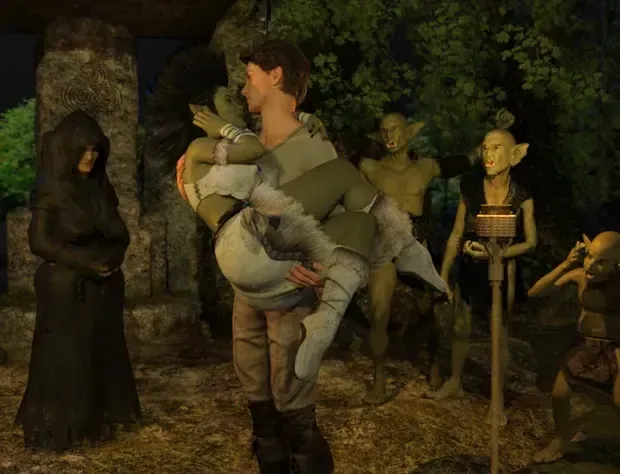



Peasant’s Quest review
Discover secrets, quests, and tips for this captivating RPG adventure
Ever stumbled upon a game that hooks you from the first village encounter? Peasant’s Quest pulled me in like that during a late-night gaming binge. This RPGmaker gem thrusts you into a medieval world as a humble villager chasing epic quests amid steamy encounters. Packed with branching paths, hidden secrets, and immersive storytelling, it’s more than just a playthrough—it’s an adventure that rewards exploration. Whether you’re new to Peasant’s Quest or grinding for that perfect ending, this guide shares my top strategies, personal triumphs, and pitfalls to sidestep. Let’s dive into the fields and beyond!
What Makes Peasant’s Quest an Addictive Adventure?
I still remember the night I stumbled upon Peasant’s Quest 🕵️. I was scrolling through forums, looking for something different from the usual AAA titles, when a quirky post about a “charming, deep, and surprisingly funny RPG” caught my eye. I downloaded it on a whim. Fast forward six hours, and I was still wide awake, completely lost in its world, trying to figure out if I should spend my hard-earned gold on a new sword or save up for a crucial piece of village gossip. That’s the magic of this game—it hooks you with its simplicity and then reveals a layer of delightful complexity. If you’re here, you’ve either felt that pull or are curious about it. Welcome to the ultimate deep dive into what makes this captivating RPG adventure so incredibly addictive.
How Does Peasant’s Quest Gameplay Work?
At its heart, Peasant’s Quest gameplay is a masterclass in accessible yet deep role-playing, built on the familiar foundation of the RPGmaker engine. Don’t let that fool you into thinking it’s basic. The developers have used this toolkit to craft an experience that feels both nostalgically classic and refreshingly unique.
You navigate the world primarily through intuitive point-and-click exploration. Click to walk to a location, click to talk to a character, click to examine that suspicious-looking barrel. It’s easy to pick up, which lets you focus on the real meat of the game: your decisions. Every conversation can matter. The dialogue choices you make aren’t just for flavor; they actively shape your relationships with NPCs, open up (or close off) side quests, and ultimately determine which of the multiple endings you’ll unlock. It’s a game that respects your agency.
Then there’s the resource management. You start with barely a coin to your name, and every purchase—be it a healing potion, a tool, or a gift for a villager—requires thought. Do you bribe the guard for information now, or will you need that gold for the blacksmith later? This constant balancing act makes every reward feel earned and adds a satisfying strategic layer to your adventure.
Key locations become like a second home as you play. You’ll learn the rhythms of the starting village, memorize the treacherous paths of the dark forest, rely on the surly blacksmith for gear, and tread carefully in the dreaded spider caves. Each area has its own mood, puzzles, and secrets to uncover.
My first major lesson came early. I’d saved up for a decent weapon and charged into the forest, immediately picking a fight with the first creature I saw. I was swiftly defeated ☠️. I hadn’t spoken to the herbalist for healing aids, ignored the old hunter’s advice about enemy weaknesses, and wasted my gold. That failure was the best Peasant’s Quest guide I could have asked for. It taught me that this isn’t a game about brute force; it’s about preparation, conversation, and smart exploration.
To break down the core loop, here’s a handy reference:
| Mechanic | Description | Pro Tip |
|---|---|---|
| Exploration | Point-and-click movement across diverse, hand-crafted maps. Interact with everything! | Examine every nook. Many puzzles require finding well-hidden items in plain sight. |
| Dialogues & Choices | Branching conversations that affect NPC affinity, quest availability, and the story’s end. | Save before big conversations. Experiment with different choices to see where they lead on replays. |
| Inventory & Gold | Manage limited space and currency. Items can be tools, gifts, or quest-critical objects. | Never sell unique “quest items.” Regularly visit merchants, as their stock can change. |
This blend of systems is the core answer to how to play Peasant’s Quest successfully. It’s about engaging with every part of the world the game offers you.
Why Choose Peasant’s Quest Over Other RPGs?
In a sea of massive open worlds and cinematic epics, why should you invest your time in this RPGmaker gem? The answer lies in its focused charm and unique personality. Peasant’s Quest doesn’t try to be everything to everyone; it knows exactly what it is and excels at it with wit and heart.
First, there’s the humor. This game is genuinely funny, with witty writing that pokes fun at classic RPG tropes while lovingly embracing them. The characters feel alive, with their own quirks and problems, making the world feel cohesive and engaging. You’re not just a destined hero; you’re a person trying to make your way, and that relatability is powerful.
Then we have the adult elements. Now, this is handled with more maturity than you might expect. The game explores consensual interactions and relationships as part of its world-building. Certain quests and story branches involve building trust and intimacy with other characters, which can lead to unique rewards, deeper story insights, or alternative pathways. These elements are woven into the social fabric of the game, offering a layer of storytelling that’s more nuanced than simple combat stats. It’s about connection and consequence, adding a rich, mature texture to your journey.
But the crown jewel is its replayability. Due to those branching quests and dialogue choices, your second playthrough can be radically different from your first. Maybe this time you align with a different faction, pursue a different romance, or solve a problem with cunning instead of force. The multiple endings aren’t just a slapped-on feature; they feel like legitimate, earned conclusions to your personal story. I’ve played through three times, and I’m still discovering new snippets of dialogue and hidden interactions. This incredible value is a huge part of any comprehensive Peasant’s Quest walkthrough—there’s always another path to document.
Its progression system is also wonderfully satisfying. You don’t just gain “experience points” from fights. You grow by solving puzzles, completing quests for villagers, and exploring thoroughly. Getting that key item that unlocks a new area or finally affording a house upgrade feels like a real achievement. It’s a game that rewards curiosity and engagement over simple grind.
Unlocking the Core Storyline in Peasant’s Quest
The Peasant’s Quest story begins with humble origins (you’re literally a peasant) but quickly expands into a personal tale that feels epic in scope because you are invested in it. Without spoiling the magic, the core narrative involves a looming threat to your valley, but how you choose to confront it—or even if you choose to confront it—is entirely up to you.
The storyline isn’t a rigid track you follow. It’s more like a web of interconnected character dramas, local politics, and personal goals. The main quest is there, nudging you along, but it often takes a backseat to the fascinating stories of the people around you. Helping the baker find a rare spice might seem like a side activity, but it could later grant you a crucial ally or vital information about the main threat. This design makes the entire world feel relevant and alive.
To truly unlock and appreciate the narrative depth, you need to engage. Talk to everyone. Return to NPCs after major events; their dialogues update. Pay attention to gossip in the tavern. The game’s journal helps, but I kept my own physical notes on NPC likes, dislikes, and schedules—it made the world feel even more real and my impact within it more tangible.
This is where the best Peasant’s Quest tips come into play for story enthusiasts:
Save often, and in multiple slots! This is non-negotiable. Before any major decision or risky venture, create a new save file. It lets you bravely explore narrative branches without regret.
Track your relationships. Jot down which villagers you’ve helped and what they’ve promised you. A favor owed can be more valuable than gold later on.
Embrace failure. That disastrous first trip into the woods taught me more about the game’s cause-and-effect than any success. Sometimes, seeing a “bad” outcome opens up a new understanding of a character or plot point.
For those just starting, here are a few actionable pointers to maximize your enjoyment from the very first click:
| Tip For | Action | Why It Helps |
|---|---|---|
| Beginners | Examine EVERYTHING in the starting village. | Finds free starter items and teaches you the interactive nature of the world. |
| Story Lovers | Speak to the innkeeper and mayor multiple times in Chapter 1. | Unlocks crucial background lore and early side-quest hints most players miss. |
| Resource Managers | Your first 100 gold should go to a backpack upgrade. | More inventory space early on prevents frustrating trips back to sell/common items. |
| Explorers | Save before entering any new, ominous-looking area. | Preserves your progress if you stumble into a situation you’re not ready for. |
Peasant’s Quest succeeds because it wraps a smart, reactive narrative inside mechanics that are a joy to interact with. It proves that you don’t need a hundred-hour campaign to tell a compelling story; you need heart, clever design, and a world that reacts to the player. Whether you’re following a detailed Peasant’s Quest guide or forging your own path blindly, the adventure you create will feel uniquely yours. So dive in, talk to that suspicious-looking squirrel, and start writing your own peasant’s legend.
Peasant’s Quest FAQ
What is Peasant’s Quest?
Peasant’s Quest is a captivating role-playing game built with the RPGmaker engine, focusing on point-and-click exploration, meaningful dialogue choices, and resource management. It stands out for its humorous writing, branching storylines with multiple endings, and deep world-building that includes mature, consensual relationship dynamics as part of its narrative fabric.
How long does it take to complete?
A single, thorough playthrough where you explore a significant portion of the side content can take roughly 10-15 hours. However, due to the extensive branching paths and multiple endings, achieving 100% completion and seeing all the story variations can easily take 30+ hours, making its replayability a major strength.
Does it really have multiple endings?
Absolutely! The ending you receive is directly determined by your cumulative choices throughout the game: who you befriend or betray, which major quests you complete, and how you resolve key conflicts. There are several distinct endings, ranging from triumphant to tragic, which provides a powerful incentive to replay and explore different decisions.
From humble beginnings in the village to conquering hidden challenges, Peasant’s Quest delivers thrills, laughs, and surprises at every turn. My journey through its quests taught me the joy of patient exploration and bold choices—leading to endings I never saw coming. If you’re ready for an RPG that blends adventure with personal growth, fire it up today. Grab your pitchfork, hit play, and share your wildest stories in the comments. What’s your favorite quest moment? Dive in and find out why this game keeps players coming back.