Strange Nights
Play Strange Nights
Strange Nights Screenshots
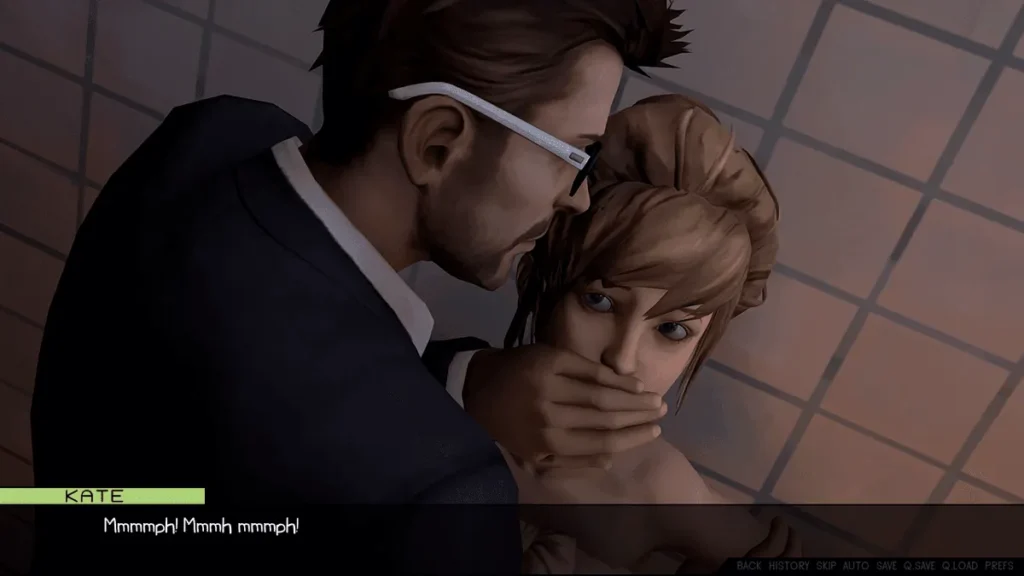
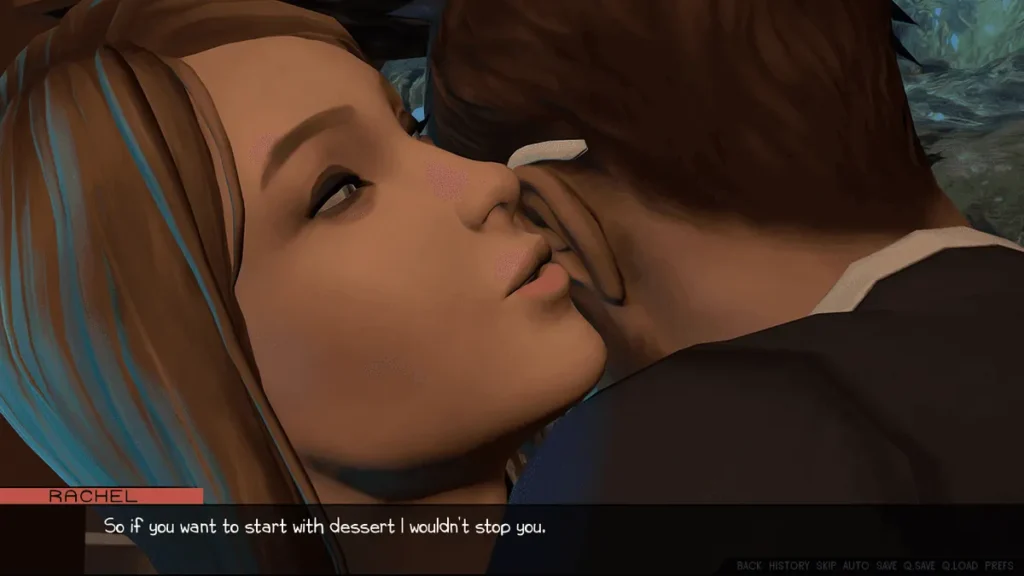
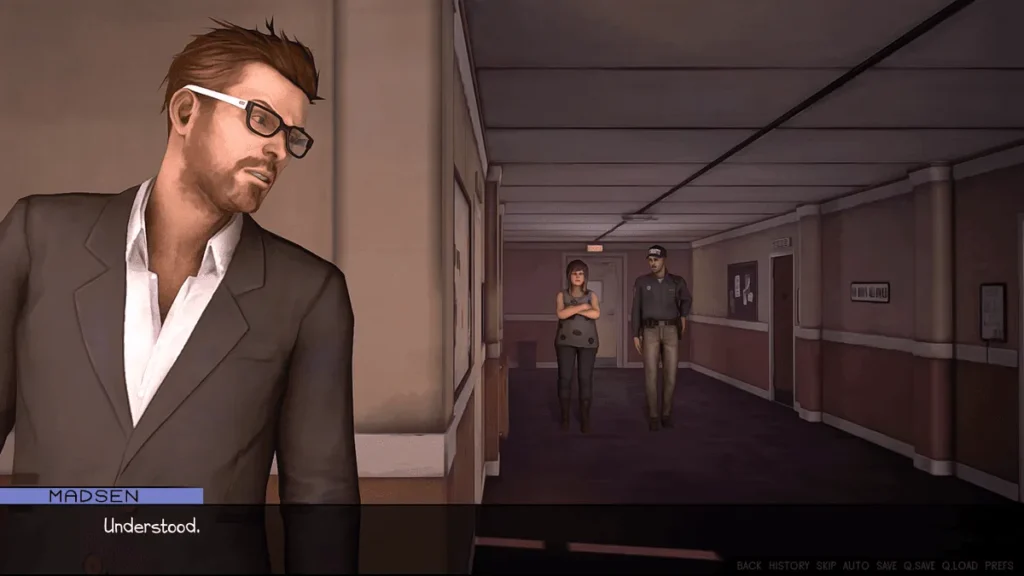
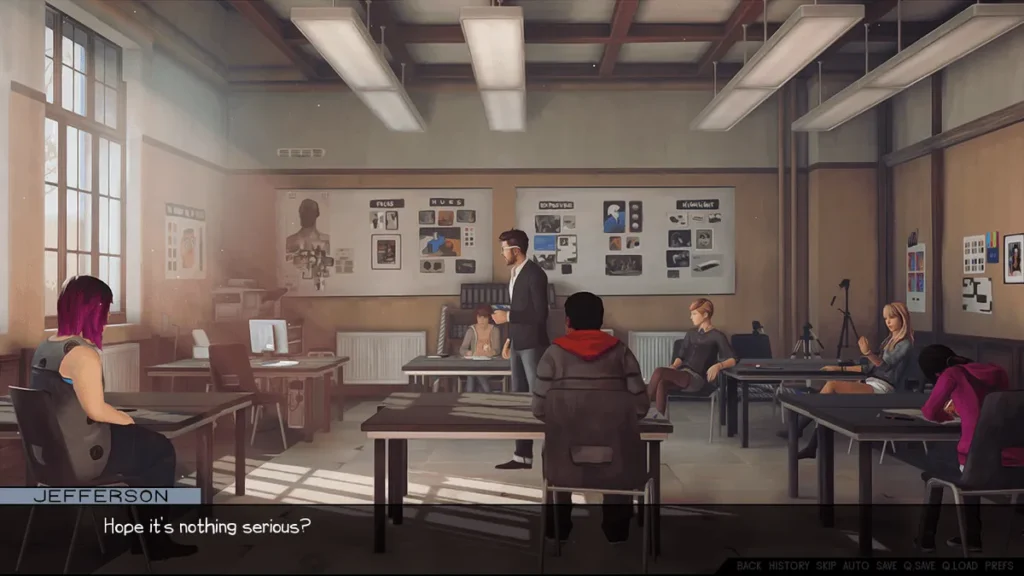
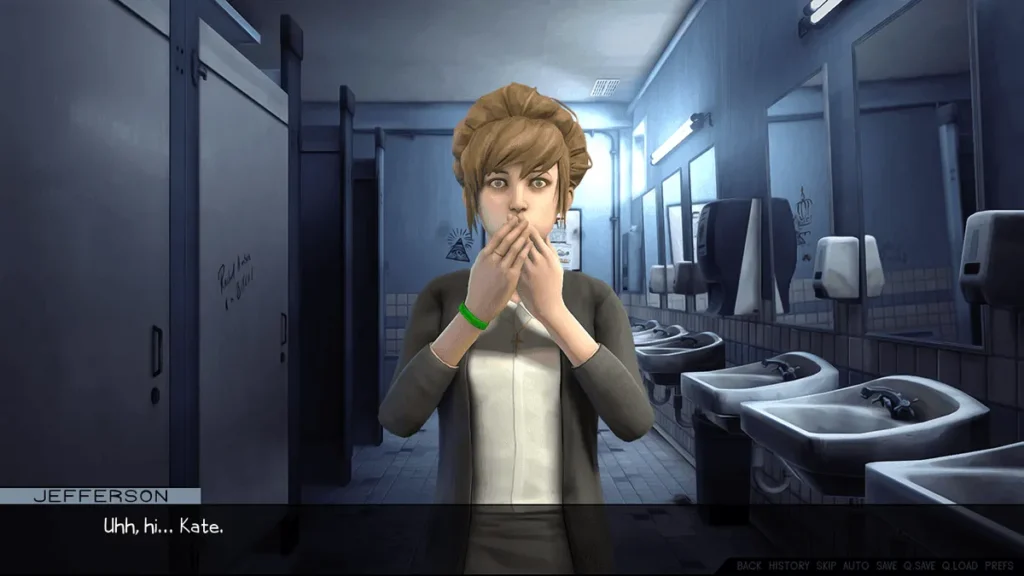
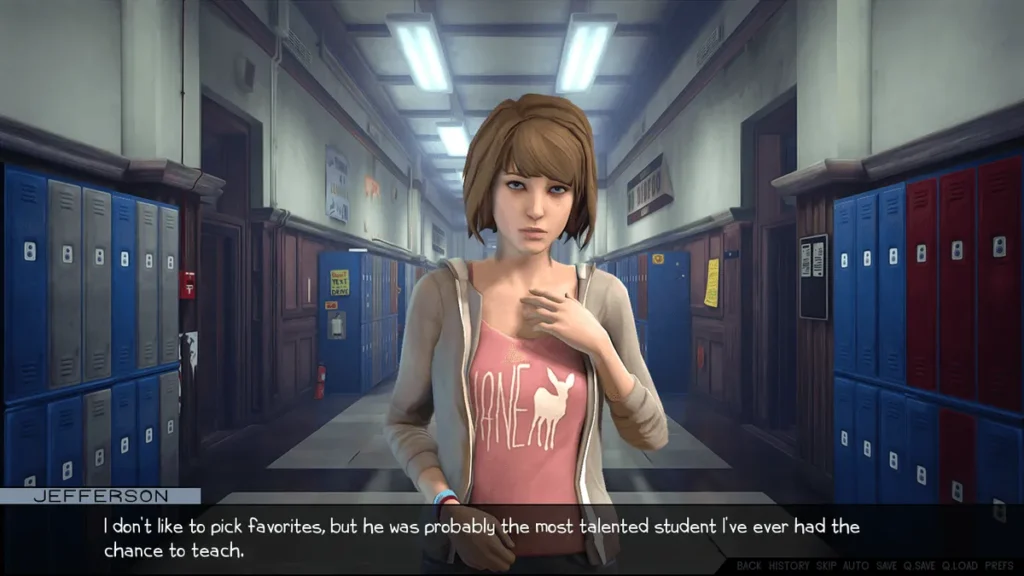
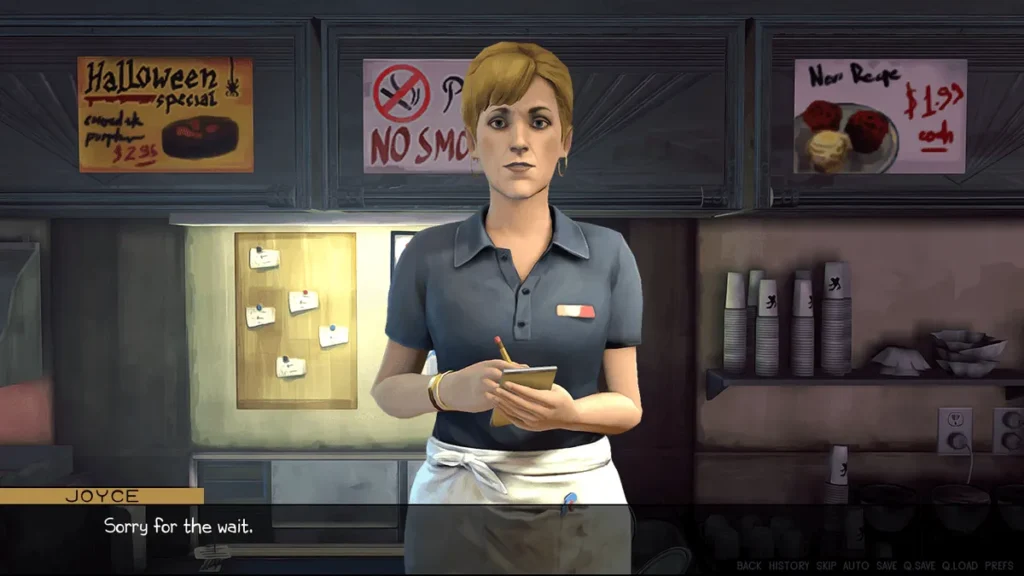
Strange Nights review
Dive into the Time-Travel Teacher’s Steamy Adventures
Ever wondered what happens when a college photography teacher gets a supernatural do-over on life? That’s the hook of Strange Nights, the gripping 3DCG visual novel that’s got players hooked on its mix of time manipulation, student romances, and intense choice-driven paths. I still remember my first playthrough—heart racing as Mark Jefferson unlocked powers that flipped his fate from jail cell to campus conquests. In this guide, we’ll unpack the storyline, mechanics, hottest scenes, and why this abandoned gem deserves your time, even at v0.7.1. Whether you’re a VN fan or new to these twisted tales, stick around for tips to max your empathy and dominance points.
What Makes Strange Nights Stand Out?
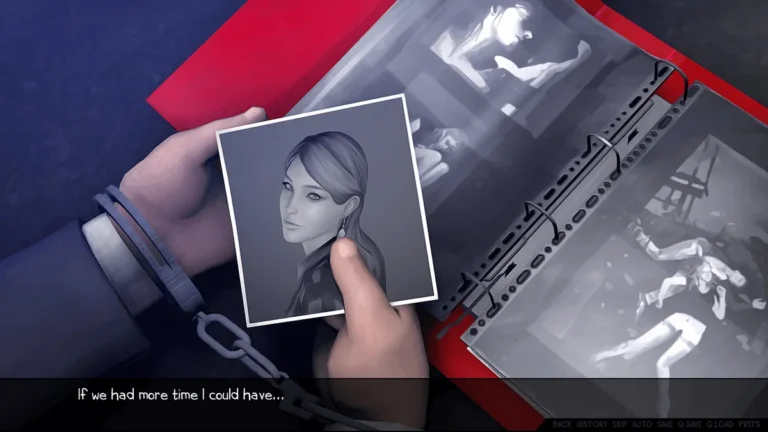
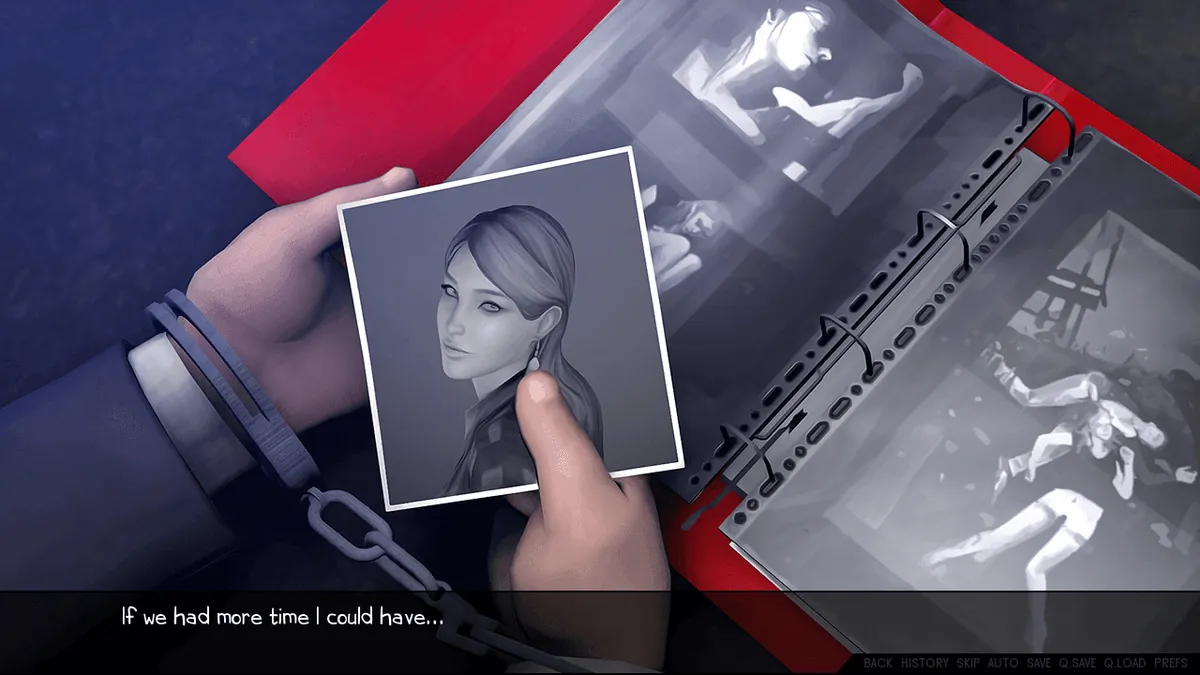
It was one of those 2 a.m. scrolling sessions, deep in the rabbit hole of indie games, when I first stumbled upon Strange Nights. The description was intriguing: a photography teacher, a wrongful conviction, and a mysterious second chance. I downloaded it, expecting maybe a clunky little story to pass the time. What I got, within the first ten minutes, was a genuine “wait, what?!” moment that glued me to my chair. The opening scene, with Mark Jefferson in a stark jail cell, felt grimly serious—until the cell door just… swung open. No explanation, no guards in sight. That’s when the game whispered its secret: rewind time. My late-night fatigue vanished instantly. I was hooked.
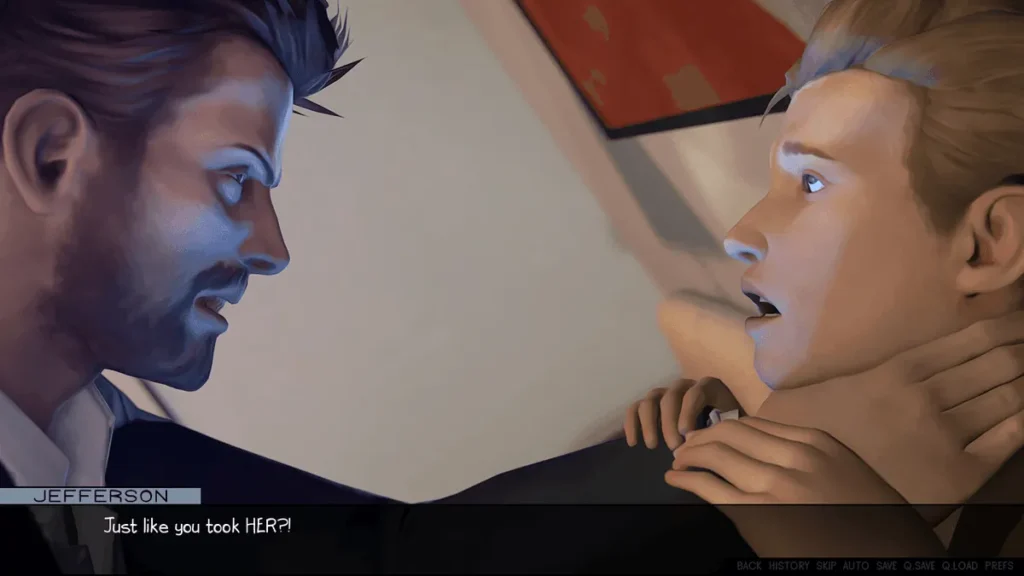
This, in essence, is the wild ride of what the Strange Nights game is all about. It’s a Strange Nights visual novel built in Ren’Py that takes a bonkers premise and runs with it, blending supernatural drama with personal choices that actually feel weighty. You play as Mark Jefferson, a university photography professor whose life is shattered by a false accusation. But fate (or something stranger) intervenes, gifting him unnatural abilities to manipulate events and relationships. What follows is a compact, choice-driven adventure about redemption, power, and navigating a suddenly altered world where every conversation can be a do-over.
Unpacking the Core Storyline of Strange Nights
The Strange Nights storyline kicks off with a powerful hook: injustice. Seeing Mark’s career and freedom ripped away immediately builds sympathy. But this isn’t a game about proving your innocence in court. The moment you use that first time-rewind teacher power, the narrative pivots dramatically. 🕰️ It becomes a “what if” scenario on steroids. What if you could approach that tense conversation with a student differently? What if you could be more assertive, or more understanding, the second time around?
The core loop is incredibly satisfying. You explore the campus and your apartment, interact with key Strange Nights characters, and make dialogue choices. Fail a check or say the wrong thing? As long as you have “Focus Points” (the resource tied to your powers), you can rewind and try another approach. This mechanic is perfectly woven into the Strange Nights storyline; it doesn’t feel like a cheat, but rather an extension of Mark’s desperate grasp for control over his crumbling life. The choices you make build towards one of two key stats: Empathy Points (EP) or Dominance Points (DP).
I remember my first playthrough, I chose the dominance path almost by accident. Selecting a sharper, more confident response in a chat with Rachel unlocked a DP point. It felt edgier, more fun, and it led to some wild outcomes that a nicer approach wouldn’t have.
These points are everything. They unlock crucial branching paths and scenes, literally gating content behind your behavioral choices. Want a specific, steamy scene with a character? You might need 14 DP to even see the option. This system gives the short game massive replay value. The Strange Nights storyline branches meaningfully based on whether you guide Mark as a remorseful man seeking connection (high EP) or a empowered figure leaning into his new abilities (high DP).
Here’s a quick breakdown of the game’s technical presentation, which really sells the story:
| Aspect | Rating & Notes |
|---|---|
| Visuals (3DCG Renders) | 8/10 – Surprisingly polished with a distinct, almost Telltale-esque style. |
| Animations | 7/10 – Smooth where it counts, adding life to key scenes. |
| Audio & Music | 6/10 – Functional but unmemorable; sets a mood without soaring. |
| Romantic Scenes | 7.5/10 – A handful of well-executed, more vanilla moments that feel earned. |
| Playtime | ~1 hour per path, but you NEED to replay. |
Key Characters and Their Allure in Strange Nights
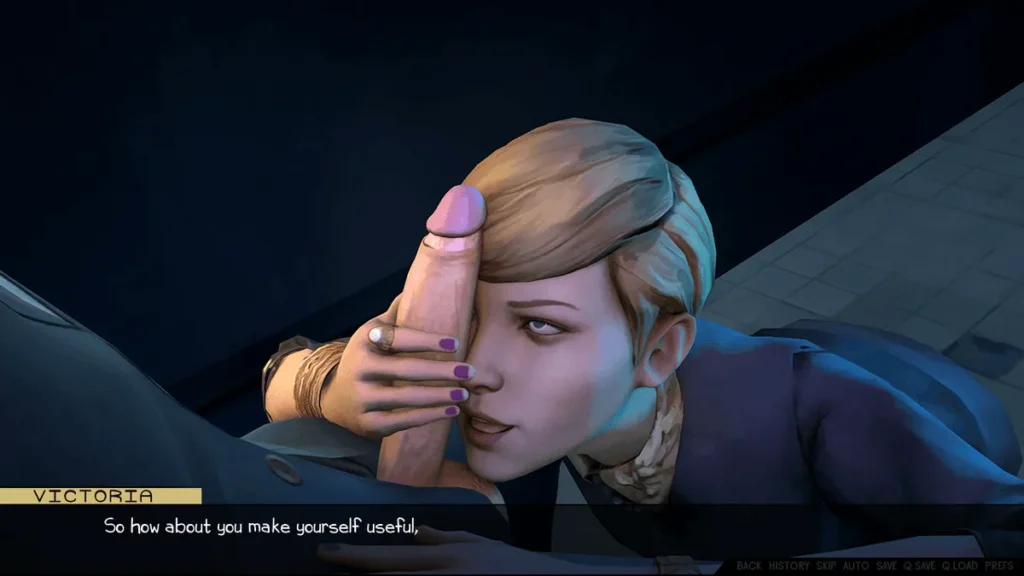
While Mark Jefferson is our vessel, the Strange Nights characters are what give this world its spark. They’re not overly complex, but they are sharply written and visually distinct, leaving a strong impression in the game’s brief runtime. The cast primarily consists of Mark’s students and acquaintances, each representing a different facet of the life he’s trying to reclaim or reshape.
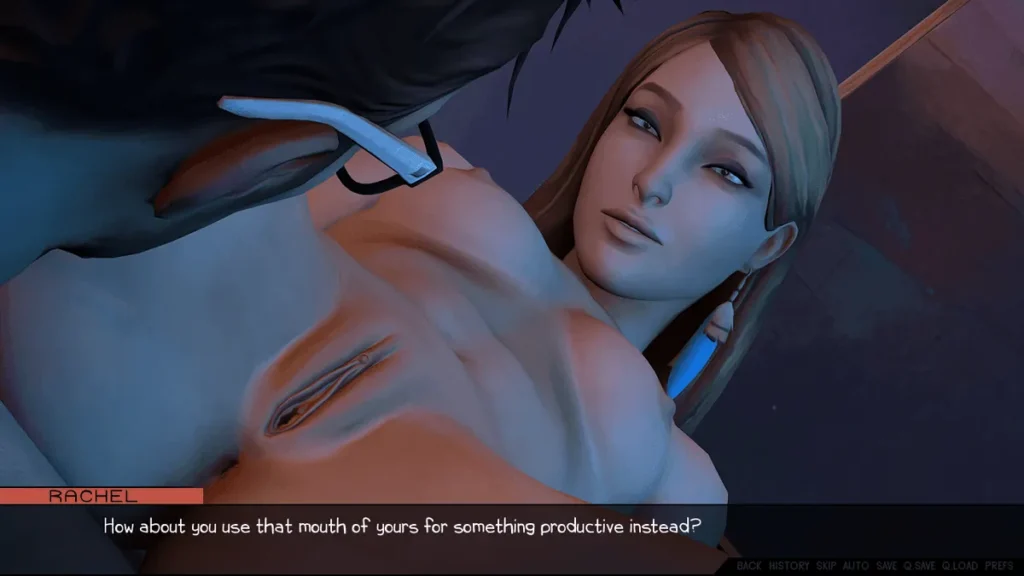
The undeniable standout is Rachel. 😍 She’s the character with the most screen time and narrative weight, and her dynamic with Mark is the heart of the game. Is she a supportive friend, a potential romantic interest, or someone sensing his strange new capabilities? Her path is the most fleshed-out, and your choices with her feel the most consequential. Building enough points to unlock her special scenes was my primary driver for replaying.
But the others offer fun, shorter arcs that showcase the game’s choice system. To see everything, you’ll need to strategize your points. Here’s a quick guide to the top attractions:
- Rachel 🎨: The central connection. Unlocking her deeper scenes requires significant investment, often needing 14+ Empathy OR Dominance Points to choose the path that leads to her.
- The “Study Partner” 📚: Represents a more casual campus possibility. Her route is shorter but requires a specific, confident choice (often 8+ DP) early on to initiate.
- The Neighbor 🏠: An off-campus option that provides a different vibe. Accessing her content typically asks for a balanced approach or a key empathetic choice (7+ EP).
- The Fellow Teacher 👩🏫: A path dealing with professional boundaries and shared experience. This route often gates a major choice behind having either very high EP or very high DP, altering the context of the interaction.
- The “Secret” Path 🔍: There are hints and minor character interactions that only unlock if you make a sequence of very specific, sometimes counter-intuitive choices, encouraging experimental playthroughs.
Managing your EP and DP is the core actionable advice for experiencing all the Strange Nights characters have to offer. Don’t try to balance them on one run. Commit! Save often, and do a dedicated “Nice Guy Mark” high-EP run, then a bold “In-Control Mark” high-DP run. You’ll be shocked how different the tone and available scenes can be.
Why Strange Nights Feels Like a Telltale Hidden Gem
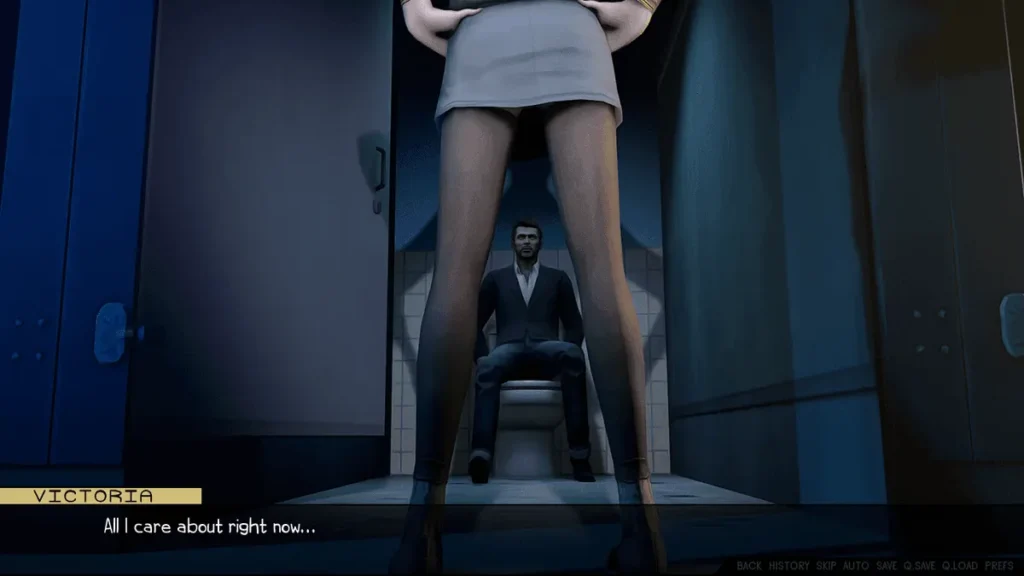
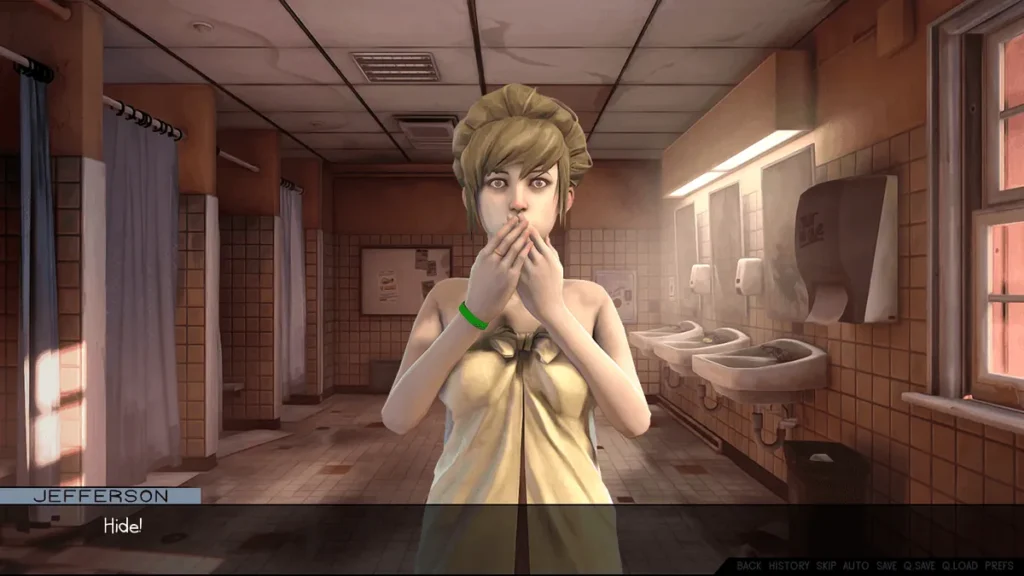
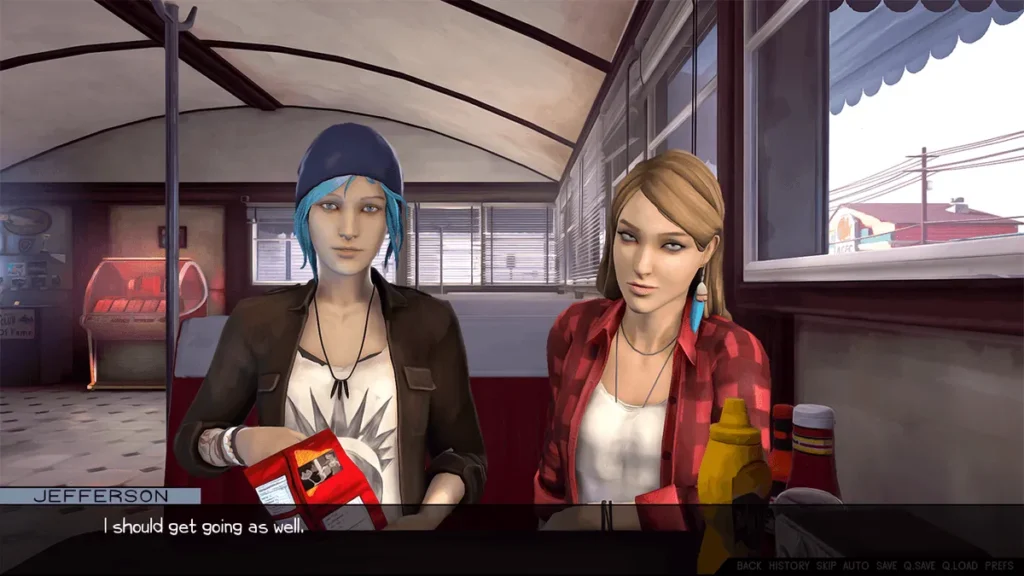
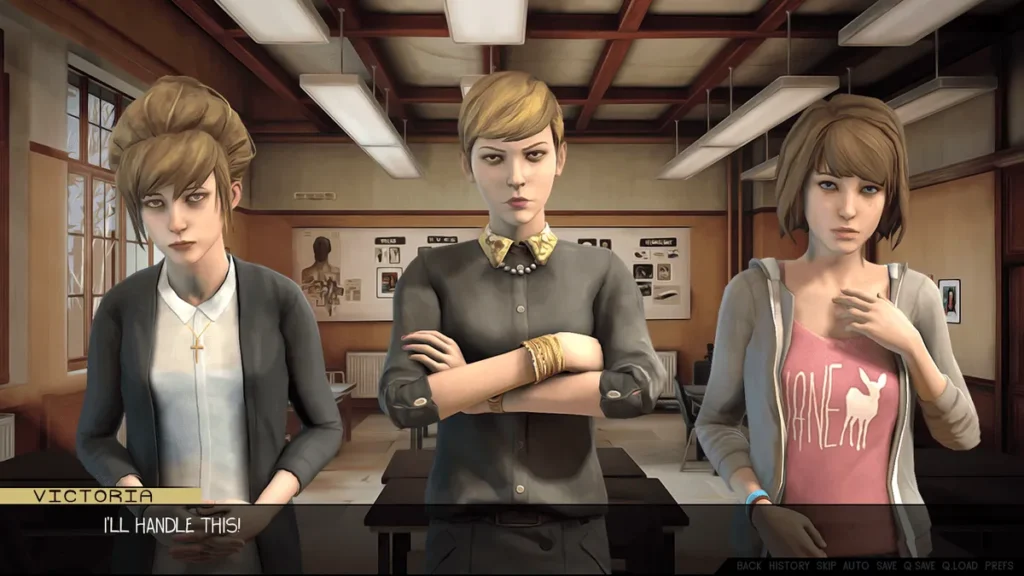
From the first scene, the game’s aesthetic screams Telltale-inspired. The character models, with their stylized realism and slightly exaggerated features, and the painted background environments feel ripped from a season of The Wolf Among Us. This isn’t a criticism—it’s a huge part of the charm and polish that makes Strange Nights stand out in a sea of amateur Ren’Py visual novels. It immediately feels more professional and immersive because of this cohesive style. ✨
As a Strange Nights visual novel, it leverages the Ren’Py engine perfectly for its choice-and-rewind mechanic. The interface is clean, saving and loading is a breeze, and the branching logic works flawlessly. It’s a masterclass in using a simple tool to deliver a compelling, mechanic-driven narrative.
And yet, this is where the bittersweet feeling kicks in. Once you’ve played through all the paths (which might take 3-4 hours total), you hit the end of what exists. The Strange Nights storyline clearly had a broader vision. There are unresolved threads, hints at a larger mystery behind Mark’s teacher powers, and character arcs that feel paused mid-sentence. The potential for a longer, more intricate story about the cost and origin of these abilities was huge.
So, do I still recommend it? Absolutely. Despite its abandoned state, the complete narrative loop that is there is immensely satisfying. The fun factor of manipulating conversations with your rewind power, the thrill of hitting a point threshold to unlock a new scene, and the standout presentation make it a worthwhile experience. Think of it as a brilliant, self-contained pilot episode for a show that never got a full season. It’s a captivating glimpse into a world and a concept that hooks you hard.
The best way to play is to embrace it for what it is: a compact, choice-rich gem. Don’t rush. Savor the tension of major choices, experiment with your rewind, and definitely play it more than once to see how the Strange Nights characters react to the different sides of Mark Jefferson. It’s a game that makes you wish for more, but what’s here is truly special.
“The polish on this game is wild for something free. It’s like finding a fully written, first chapter of a best-selling novel and then discovering the author vanished. The characters, especially Rachel, had so much promise. It’s a shame we’ll never see where this was going, but I’m glad we got this much.” – A fellow player’s review that perfectly captures the feeling.
There you have it—Strange Nights packs a punch with its time-bending plot, choice-driven romances, and solid visuals that keep you coming back for more paths. From my sessions grinding EP and DP to uncover every steamy moment, it’s a quick thrill worth every minute, even if left unfinished. If you’re craving adult VNs with supernatural twists, fire it up on Android, Windows, or wherever you grab it. Dive in tonight, experiment with dominance or empathy, and share your wildest endings in the comments—what path hooked you most? Your next obsession awaits.